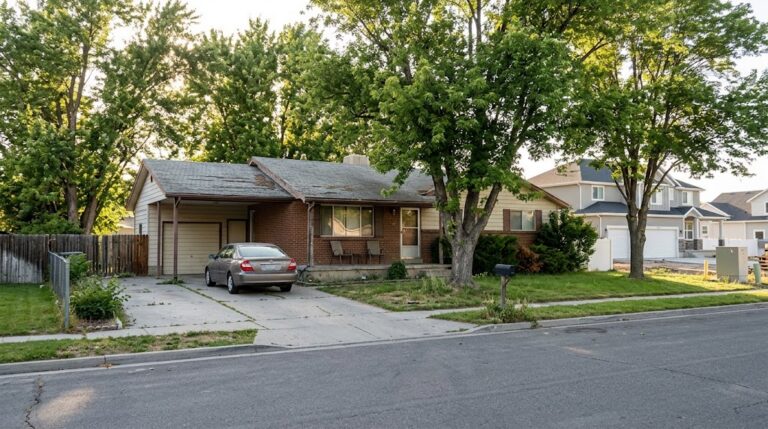

If you’re deciding whether to list your South Jordan home now or wait for spring, I would start with the move you need to make and what waiting would cost you. A season alone is not a pricing strategy.
My 36 years in real estate inform the questions I bring to that conversation. They do not let me promise a spring premium or predict the right buyer’s arrival. The useful comparison is between two workable plans for your household.
Define the next move before choosing a listing month
Write down why you are considering a sale. A job change, a different layout, less maintenance, or the need to coordinate another purchase can each lead to a different timeline. “Spring is usually better” does not answer any of those needs.
Then identify your firm dates and flexible dates. A lease ending or a committed relocation may be less flexible than a preference to move after a holiday. Keep those distinctions visible so an optional preference does not quietly become the deadline around which everything else is arranged.
Ask where you would go if the home sold sooner than expected, and what you would do if it took longer. You do not need to predict the sale date to test those possibilities. You need a plan for the outcomes that would create the most difficulty.
If you intend to buy another South Jordan property, start examining whether the kind of replacement you want is available and financially workable. Selling your current home is only one part of that move. A successful sale followed by an unsuitable purchase would not accomplish your original goal.
Calculate what waiting actually involves
Use your own statements and bills to list the costs of keeping the property through the period you are considering. Mortgage payments, property taxes, insurance, utilities, association obligations, and necessary maintenance belong in the review.
The CFPB explanation of total housing payments is useful here: principal and interest are only part of the picture, and some charges may be paid separately. Avoid counting an escrowed expense twice when assembling your worksheet.
Distinguish cash flow from economic cost. Your full mortgage payment affects the cash you need each month, while principal repayment also changes your loan balance. Ask for help separating those effects if you are comparing estimated net proceeds across two dates.
Add the costs created specifically by waiting. Would you maintain two homes? Would you need storage or temporary accommodation? Would a planned repair need attention before spring regardless of when you list? These questions can matter more than a hoped-for change in sale price.
Also include the work of continuing to own and prepare the home. That is not a dollar figure I can invent for you. It may still affect your choice if the current arrangement is difficult to manage. A decision can be financially reasonable and practically exhausting; both parts deserve a place in the discussion.
Separate necessary preparation from optional improvement
A home does not need every possible upgrade before it can be evaluated for sale. It does need an honest review of condition, presentation, documentation, and the work that could materially affect a buyer’s decision.
Walk through the property and sort tasks into three groups: issues that need professional assessment, straightforward presentation work, and optional projects. That separation prevents a long wish list from becoming an automatic reason to delay.
For each proposed project, ask what it is meant to solve. Does it address a known concern? Make a space easier to understand? Replace something you simply dislike? Get a realistic scope, cost, and schedule before assuming the work will improve your sale outcome.
Winter may limit some exterior work or what can be photographed clearly. That is a planning consideration, not proof that the home cannot be marketed. Decide which limitations can be addressed now, which can be disclosed or documented appropriately, and which would materially affect your readiness.
If you have older photographs showing landscaping or an exterior feature, identify their date and context. They should not be presented as current conditions. Buyers need to understand what the home offers, including the difference between a seasonal image and today’s appearance.
Compare two plans with the same assumptions
Put “list now” and “prepare for spring” next to each other. Use the same categories for both: preparation, estimated selling expenses, carrying costs, replacement housing, timing risks, and the information still needed.
The home-value figure should come from a current property-specific review, with its assumptions explained. My home-value estimator can start the conversation, but it is not an appraisal and should not be treated as a guaranteed selling price.
For a later listing, do not fill the worksheet with an invented spring price. Instead, note that pricing will need to be reassessed closer to launch. You can still compare the preparation plan and the cost of carrying the home without pretending to know the future market.
| Decision input | List now | Wait for spring |
|---|---|---|
| Preparation | Identify work needed before a near-term launch | Identify the additional work that waiting makes possible |
| Carrying costs | Use costs through your planned timeline | Add the costs of the additional ownership period |
| Replacement home | Confirm a workable next step if the home sells | Confirm how you will remain flexible until later |
| Price evidence | Review current comparable properties | Plan a fresh review before launch; do not assume an increase |
| Personal fit | Can you manage showings and a move now? | Does waiting solve a practical problem worth the cost? |
Keep the South Jordan comparison property-specific
A broad market headline does not describe every South Jordan home. The home’s form, condition, location, usable space, and ownership obligations affect which properties should be compared with it.
For example, if your home competes with association-managed properties, a comparison that ignores their charges and maintenance responsibilities may miss part of the buyer’s decision. If your property’s appeal depends on a particular route or destination, explain that accurately without promising a commute time.
When reviewing South Jordan real estate options, I would ask which current alternatives a buyer would genuinely consider alongside your home. That is more useful than assuming every listing in the city belongs in the same comparison.
This article does not include a current MLS export or establish November competition. Before recommending a launch price or a specific timing advantage, I would need current evidence for your property. The timing worksheet helps organize the decision while that evidence is gathered.
Set a decision date and name the missing evidence
You do not have to decide between now and spring in one conversation. Choose a reasonable date to revisit the choice after the missing information has been gathered. Until then, assign a task to each uncertainty rather than repeatedly debating the same unknown.
A preparation uncertainty might need a contractor’s scope. A financing uncertainty needs the lender. A value uncertainty needs current property evidence. A next-home uncertainty may require a few focused tours. Each is a different task, and none is resolved by reading another general article about the best month to sell.
At the decision meeting, compare what changed. Did the preparation take less work than expected? Did the replacement options reveal a requirement you had overlooked? Did the carrying-cost worksheet make waiting more expensive than it first appeared? Use the new information to revise the plan.
It is equally possible that waiting solves a real problem. You may need time to complete essential work, organize a move, or establish an acceptable next-home path. If so, give the waiting plan specific tasks and dates. Otherwise, spring can become a vague destination while the same unresolved decisions remain.
Prepare for showings as a real household task
Before choosing a near-term launch, discuss how showings would fit your work and daily routine. Identify the preparation you can sustain, the notice you need, and how access will be handled. A plan that looks good financially still needs to be workable while you live in the home.
If you wait, decide which preparation can happen gradually and which should be timed closer to launch. Gather records now, but plan to refresh time-sensitive pricing and market information later. The point is to use the extra time deliberately.
Keep the final decision short enough to explain: the reason for the timing, the evidence supporting it, the main uncertainty, and the backup if the sale or replacement purchase takes a different course. That explanation should still make sense if a seasonal headline changes next week.
You are choosing a move plan, not winning a prediction contest. A good plan can acknowledge uncertainty while still giving you a clear next action.
What people get wrong about waiting for spring
“A higher sale price automatically means a better result.”
Net proceeds, additional ownership costs, preparation, and the cost of your next home also matter. Compare the whole move rather than one anticipated number.
“Winter buyers all have the same motivation.”
The season does not establish why an individual buyer is shopping or what terms they will accept. Avoid building a strategy around a stereotype.
“Waiting is the low-risk option.”
Waiting keeps some choices open, but it also continues ownership costs and postpones the move. Listing now has its own uncertainties. Identify the risks in both plans instead of treating one as neutral.
“Selling a long-owned home is automatically tax-free.”
The IRS home-sale guidance describes eligibility and reporting rules that depend on your circumstances. Ask your tax adviser before using an assumed tax outcome in your timing decision.
Questions that help break the tie
What can I do now if I am not ready to list?
Gather property records, clarify the next-home requirements, obtain scopes for necessary work, and build the two-timeline worksheet. Those steps are useful whichever listing date you choose.
Should I finish a large renovation before deciding?
First establish what the project would solve, what it would cost, and how long it would take. Compare that with your move goals and a property-specific sale review before committing.
What would make a near-term listing impractical?
An unresolved next-home plan, unavailable essential preparation, financing constraints, or a schedule you cannot support may matter. The answer depends on your circumstances, not the month alone.
If you choose to wait, put the next review on your calendar with a purpose: refresh the property comparison, confirm the preparation progress, and revisit your next-home options. This keeps waiting from becoming an automatic decision that no longer reflects your circumstances. If your needs change before that review, update the plan rather than feeling bound to a season you selected months earlier.
Deciding between a winter sale and a spring plan?
Send me your South Jordan address and target move date. I’ll help compare the preparation, costs, and next-home questions so the timing decision has a clear basis.