Herriman Amenities & Attractions — What Actually Makes Daily Life Easier Here?
In Herriman, amenities are not just “things to do.” They are part of the home decision. Parks, trails, recreation, errands, seasonal activities, and community events all shape whether a neighborhood feels easy after the first month.
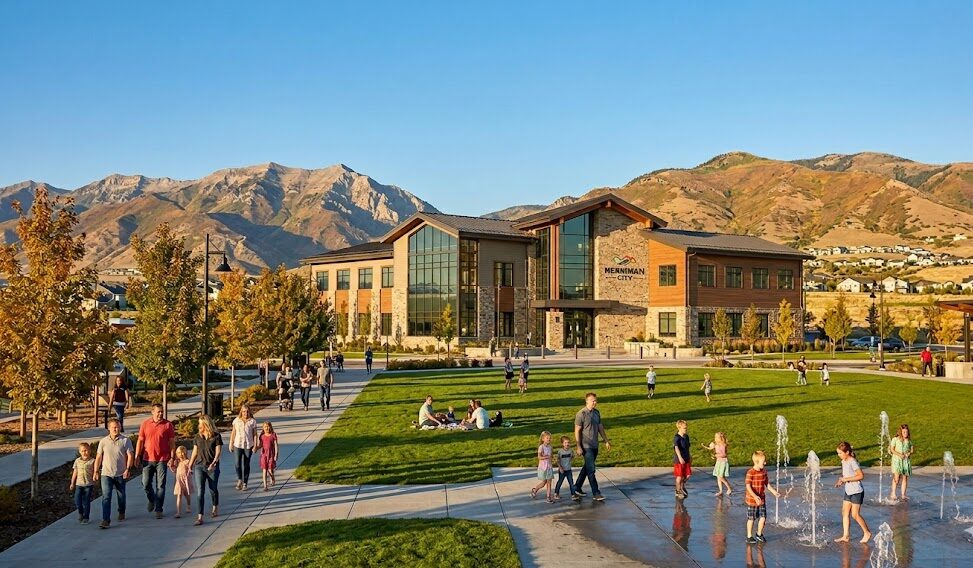
My quick answer: Herriman is a strong fit for people who want parks, trails, outdoor routines, community events, sports spaces, and a suburban lifestyle that still feels close to open space. But I would not choose a home here just because “there are amenities nearby.” I would choose based on what you will actually use every week.
That means we look at the exact address. Can you get to the park after dinner without it feeling like a project? Is the trail access real, or just technically nearby? Is the winter fallback easy? Does the errands loop work when you are tired on a Tuesday? Do community events and recreation options fit your household, or are they nice but not part of your rhythm?
This page uses official Herriman City pages for parks, trails, events, the Ice Ribbon, Blackridge Reservoir, J. Lynn Crane Park, W & M Butterfield Park, and growth/infrastructure context. Amenity details can change, so confirm hours, rules, reservations, seasonal status, closures, parking, and HOA-controlled access before relying on any specific feature.
Herriman amenity snapshot: what stands out right away
Herriman’s amenity story is built around parks, trails, recreation, open space, seasonal community programming, and a city that is still expanding its public spaces as growth continues. That mix matters because it creates both benefits and questions: more places to use, but also more maintenance, more demand, and more need to verify what is open, public, and easy from a specific home.
The numbers are helpful, but the real question is personal: which amenities become part of your life? A trail system matters more if you walk, run, bike, or need a repeatable after-work reset. A large park matters more if you have sports schedules, kids, pets, family gatherings, or a weekend routine that uses open space. A reservoir matters more if summer water access is part of how your household relaxes.
Start with the right question: what will you actually use weekly?
Most people over-plan for weekends and under-plan for weeknights. When we are choosing a home, the amenities that matter most are usually not the most famous. They are the ones that reduce friction in your real life.
Question: What is your repeatable habit?
Do you walk after dinner? Run early? Need playground time after school? Want a paved trail for strollers? Like summer water access? Need indoor recreation when it is cold? Your answer tells us which amenities really matter.
Question: Is it easy enough to repeat?
If it requires too much driving, parking, planning, or crossing busy roads, it may become an occasional benefit instead of a lifestyle feature. I want your favorite amenity to be easy enough for a Tuesday, not just a Saturday.
| Amenity type | What it can improve | What I would verify |
|---|---|---|
| Parks | After-school routines, family time, sports, gatherings, playground access, and outdoor breaks. | Parking, restrooms, shade, playground age fit, sports schedules, and route from the home. |
| Trails | Walking, running, biking, stroller routes, dog-walking, and daily movement. | Connectivity, surface type, lighting, closures, slope, seasonal comfort, and safety crossings. |
| Recreation | Sports, classes, indoor fallback options, winter routines, and social connection. | Registration, fees, schedules, reservations, seasonality, and distance from the address. |
| Events | Community identity, local traditions, family outings, and a stronger sense of place. | Dates, parking, ticketing, registration, crowds, closures, and whether you enjoy that level of activity. |
| Errands | Weeknight sanity: grocery, pharmacy, food, gym, school, daycare, and “one more thing” stops. | Actual drive time during your normal hours, not just map distance. |
Parks and trails: the real Herriman lifestyle engine
Parks and trails are one of Herriman’s biggest quality-of-life advantages. The city’s own pages describe a Parks Department focused on parks, facilities, trails, and open spaces for people of all ages and abilities. The trails page also points residents to interactive trail maps and notes that city maps are updated regularly.
That matters because Herriman’s outdoor lifestyle is not only about scenic views. It is about whether you can build movement into ordinary life: evening walks, stroller loops, after-school playground stops, training runs, bike rides, dog walks, and easy outdoor resets.
Herriman City’s Parks page says the Parks Department provides and maintains parks, facilities, trails, and open spaces. The Trails page links to interactive maps and explains that Herriman City maps are updated regularly. If trail access matters to you, check current maps and conditions before relying on a route.
My practical advice is simple: do not just ask, “Is there a park nearby?” Ask whether you would use it on your normal schedule. Visit at the time you would actually go. After school. After work. Weekend morning. Summer evening. A park can feel very different depending on timing, parking, sun, wind, sports schedules, and how easy the route feels.
Blackridge Reservoir, Crane Park, Butterfield Park, and signature local spots
Herriman has several amenities that residents and buyers often ask about. I would think of them in two groups: signature destinations and repeatable everyday spaces. Both matter, but they matter differently.
| Amenity | What it offers | How to think about it as a homebuyer |
|---|---|---|
| Blackridge Reservoir | Herriman City describes a sandy beach, refreshing water, playground, and scenic trailhead. Dogs are not allowed on the beach or in the water. | Great summer lifestyle feature, but verify seasonal status, rules, parking, and water-related safety guidance before making it a core decision factor. |
| J. Lynn Crane Park | The official park page lists stage, music, playground, benches, tables, pavilion, parking, restrooms, and large grass area. | Useful for community events, playground time, gatherings, and a more central civic feel near City Hall. |
| Ice Ribbon at J. Lynn Crane Plaza | Herriman City describes an outdoor winter Ice Ribbon, fire pits, and parking. The current city page notes seasonal closure/reservation timing. | Strong winter amenity, but always verify current season, weather status, reservations, waivers, and open-skate details. |
| W & M Butterfield Park | The official page lists 60 acres, multi-use fields, playground, pavilions, benches, volleyball courts, restrooms, stage pavilion, baseball fields, rodeo arenas, stall barn, and parking lots. | Major recreation and sports anchor. Especially relevant if your household uses fields, events, rodeo facilities, playgrounds, or large gathering spaces. |
| Arches Park | The official page lists playground, pavilion, hammock poles, slack line area, large grass area, restroom, and parking lot. | Good example of how smaller neighborhood parks can create repeatable weekly value when they are close to the home. |
Official Herriman pages provide amenity details for Blackridge Reservoir, J. Lynn Crane Park, the Ice Ribbon, W & M Butterfield Park, and Arches Park. Because hours, reservations, access rules, closures, and conditions can change, use the official city pages before planning around a specific amenity.
Events, sports, and recreation: how Herriman builds community rhythm
Herriman’s event and recreation ecosystem matters because many buyers are not only looking for a house. They are looking for a place where their family can build routines, meet people, and feel connected. Herriman City’s Events Department says it plans and coordinates city events throughout the year, aiming to accommodate all ages and interests while supporting community traditions and culture.
Question: Are city events a real lifestyle factor?
For some households, yes. Events can make a fast-growing city feel more personal. They can help kids build memories, help newcomers feel oriented, and give families easy local plans without leaving the city.
Question: What should I verify?
Event dates, tickets, parking, road closures, crowd levels, location, and whether the event is city-run, nonprofit-supported, or independently organized. Do not assume every event works the same way every year.
One of Herriman’s major traditions is Fort Herriman Towne Days. The official city page describes it as the largest city event of the year, with activities for the whole family. That kind of event can be a strong community signal, especially if you want a place where the city still has visible traditions and family-oriented gathering points.
Herriman City’s Events page describes year-round city event planning, and the Fort Herriman Towne Days page identifies Towne Days as the city’s largest event of the year. Event details change by year, so check the current city calendar, event page, ticketing, and registration details before planning.
Sports and recreation also matter for families. If you have kids in sports, like community programs, or want a neighborhood where parks and fields become part of your week, do not just ask what facilities exist. Ask which ones are realistic from the specific home.
Food, errands, and the underrated part of “things to do”
Most of life is not Saturday. It is Tuesday at 6:10 p.m. That is why I care so much about the errands loop. Parks and trails are great, but if every grocery run, dinner pickup, school stop, or pharmacy trip feels like a production, the neighborhood may not feel as easy as it looked online.
For each home, I would map the everyday radius before I over-focus on attractions. I want to know where you will actually go when life is normal, busy, or a little messy.
| Errands/lifestyle need | Why it matters | How to test it |
|---|---|---|
| Grocery run | This is one of the most repeated routines in any household. | Drive it at the time you would actually go, especially after work or school pickup. |
| Quick dinner option | Busy families often need a reliable fallback. | Find the closest realistic dinner stop, not just the closest restaurant on a map. |
| Pharmacy and essentials | Small errands can become annoying if they are always out of the way. | Map pharmacy, hardware, basic shopping, and “forgot one thing” stops. |
| School and activities | These routes often overlap with errands and work commute. | Run the full loop: school, activity, groceries, home. |
| Indoor fallback | Winter and weather change outdoor habits. | Identify a gym, rec option, class, indoor play, or weekly activity that still feels convenient. |
How amenities should shape your Herriman home choice
Amenities affect home choice differently depending on your household. A young family may care about playgrounds, safe routes, and school-adjacent routines. An active adult may care more about trail access, fitness, and easy open-space access. A household that hosts may care about parks, parking, and grocery convenience. A remote worker may care about after-work walking routes and a quiet reset close to home.
This is where I like to turn “amenities” into a practical home-search filter.
| If you value… | Look for… | Watch out for… |
|---|---|---|
| Family park routines | Playgrounds, restrooms, shade, sidewalks, parking, safe crossings, and short after-school routes. | Busy sports schedules, long drives, limited parking, or parks that are close on a map but hard to reach. |
| Trail lifestyle | Connected routes, paved options, comfortable grade, and access from the neighborhood. | Unpaved routes if you need strollers, seasonal closures, or trailheads that require too much driving. |
| Water and summer fun | Easy access to Blackridge Reservoir or other summer-friendly spots. | Rules, parking, crowds, closures, safety concerns, and whether water access is seasonal or reliable for your schedule. |
| Events and community | Proximity to city gathering places, parks, plazas, and event locations. | Traffic, parking, noise, or crowds if you prefer quiet and separation. |
| Low-maintenance lifestyle | Townhomes, condos, HOA-supported communities, and easy nearby recreation. | HOA-controlled amenities, access rules, fees, guest parking, and restrictions. |
For sellers, this matters too. Buyers do not only need to know that an amenity exists. They need to understand how the home connects to it. A listing that says “near parks” is vague. A listing that explains a practical lifestyle advantage — easy trail access, short drive to sports fields, simple school-and-park loop, or quick access to local events — helps buyers picture living there.
The questions I would ask before choosing a Herriman home for amenities
If we were comparing homes together, I would use these questions to keep the amenity discussion grounded. They help you avoid over-weighting something that looks exciting but will not actually improve your daily life.
- What is the one habit you want this home to make easier?
Walking, biking, playground time, sports, water access, gym, events, errands, hosting, or quiet outdoor space — choose the real priority first. - Can you repeat that habit on a weeknight?
If the amenity only works on perfect weekends, it may be a bonus rather than a core reason to buy. - Is the amenity public, private, seasonal, or HOA-controlled?
Access matters. Do not assume community facilities, pools, clubhouses, parks, or shared spaces are available without checking rules. - Does the amenity work with your commute and school routine?
A good park is less useful if getting there conflicts with pickup, homework, dinner, or work timing. - What changes in winter?
Outdoor routines can shift with cold, darkness, snow, and wind. Identify your indoor fallback before choosing based only on summer appeal. - Would this amenity still matter if the home were smaller, more expensive, or farther from work?
That question helps you understand whether the amenity is truly important or just emotionally appealing.
FAQ: Herriman amenities and attractions
Want a local “what’s nearby” reality check?
Tell me your commute anchor, preferred home type, and the habit you want this home to make easier — walking, parks, trails, sports, water access, errands, or a quieter weekend rhythm. I can help you compare Herriman homes by the lifestyle they actually support, not just the amenities listed nearby.
Reminder: Confirm park hours, trail conditions, event dates, reservations, seasonal closures, HOA amenity access, and city policies using official sources before relying on a specific amenity.