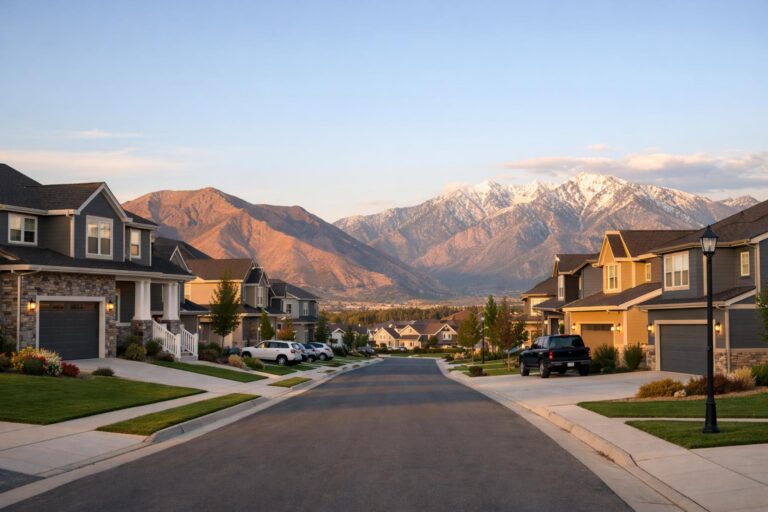
South Jordan Future Development & Outlook — What Growth Could Mean for Your Next Move
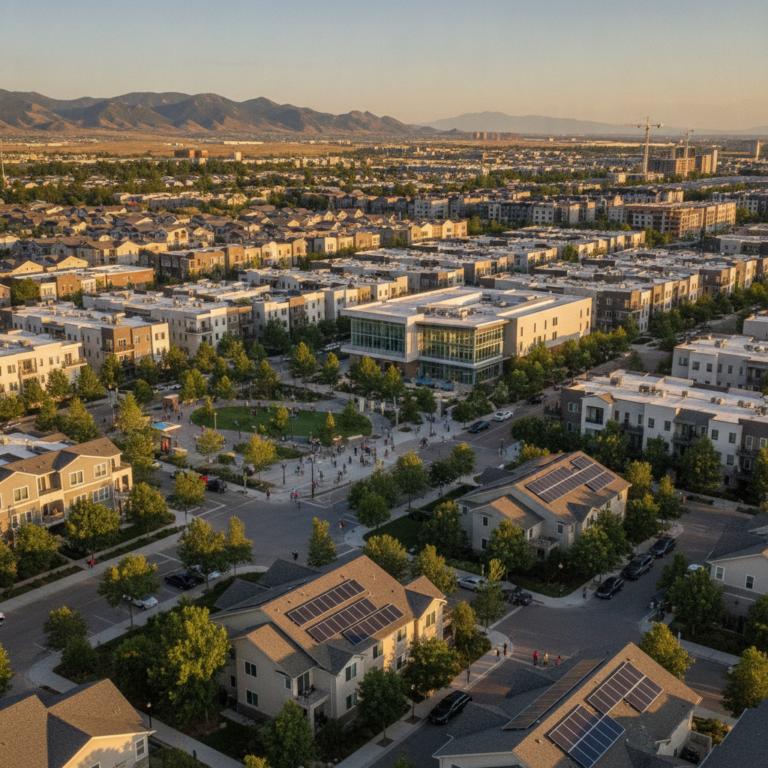
South Jordan is growing in a very visible way: more homes, more mixed-use development, more entertainment, more transit-connected planning, and more pressure on roads, schools, services, and housing choices. The question is not whether growth is coming. The question is whether the exact pocket you choose will benefit from it — or feel strained by it.
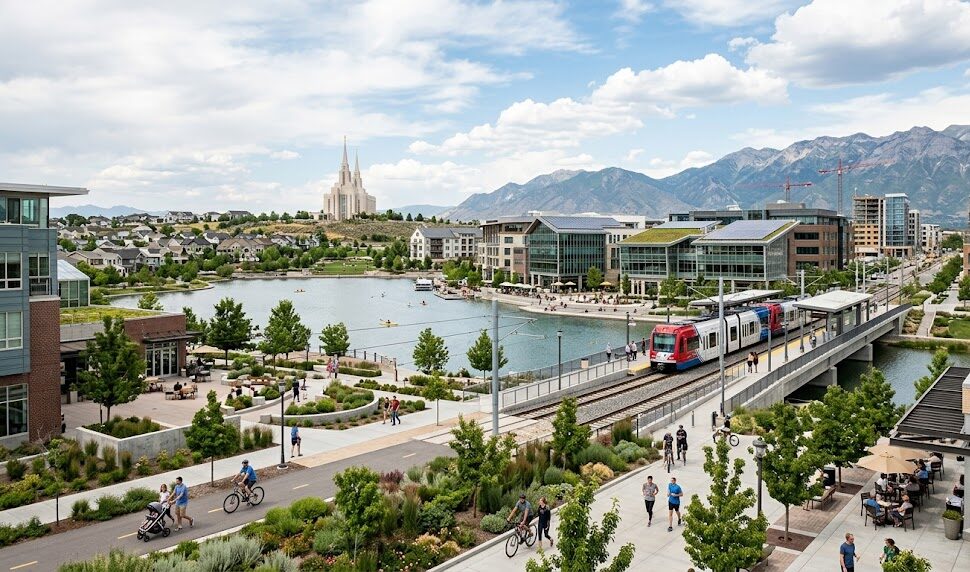
My quick answer: South Jordan’s future outlook is strong, but it is not simple. Growth is bringing more housing variety, stronger commercial nodes, Downtown Daybreak momentum, entertainment anchors, transit-connected planning, and broader southwest Salt Lake County visibility. At the same time, growth can also mean construction phases, traffic changes, school-boundary pressure, HOA complexity, parking questions, and a different neighborhood feel over time.
When I help you evaluate South Jordan, I do not treat “future development” as automatically good or bad. I ask: What is planned near this specific home? What is already built? What is approved versus merely proposed? Will the growth improve your daily life, your commute, your resale audience, and your access to amenities — or will it add friction you would rather avoid?
This page uses South Jordan City’s economic-development quick facts, city-wide master-plan resources, planning and zoning information, official city planning language, Census QuickFacts, Downtown Daybreak updates, Daybreak/Downtown Daybreak development information, UTA Red Line resources, UDOT project resources, and South Jordan parks/trails resources. Development details can change, so verify the exact address, zoning, permits, approvals, HOA documents, construction timelines, and public-service impacts before making a decision.
South Jordan growth snapshot: the numbers behind the outlook
South Jordan’s growth story is backed by both population and housing data. South Jordan City’s quick facts list a population of 89,114, 28,989 dwelling units, and 801 dwelling units permitted in 2025. Census QuickFacts lists a 2025 population estimate of 87,614 and a 13.1% population increase from the 2020 estimates base to July 2025.
The practical meaning is clear: South Jordan is not standing still. It is already a large city, and it is still absorbing new residents, homes, commercial activity, and infrastructure needs. For buyers and sellers, that means the best decisions are address-specific. The same citywide growth trend can affect one pocket positively and another pocket unevenly.
For buyers, these numbers should not scare you or make you rush. They should make you more intentional. A growing market rewards people who understand the difference between planned improvement and uncertain noise. It also rewards sellers who can clearly show how their home fits the future, not only the present.
How South Jordan plans for the future
South Jordan’s future is not random. The city uses long-range planning tools to guide growth, transportation, housing, parks, open space, active transportation, water planning, and public investment. That matters because planning documents can help you understand the direction of a city before you buy or sell.
South Jordan City has explained that it can plan as much as 30 years at a time, while updating plans as markets and community needs shift. The city references tools such as the General Plan, Transportation Master Plan, Moderate Housing Plan, Active Transportation Plan, Parks & Open Space Master Plan, and Water Shortage Management Plan.
| Planning tool | What it helps answer | Why it matters for a home decision |
|---|---|---|
| General Plan | Where the city expects growth, investment, land-use changes, and long-term community priorities. | Helps you understand whether a pocket is intended to stay similar or evolve over time. |
| Transportation Master Plan | How the city prepares for future roads, multimodal movement, traffic needs, and route pressure. | Helps you test whether commute access may improve, shift, or become more active over time. |
| Moderate Housing Plan | How the city evaluates and forecasts housing needs, including affordability and housing variety. | Helps buyers understand why more townhomes, apartments, and mixed-use housing may appear in some areas. |
| Active Transportation Plan | Future bicycle, pedestrian, sidewalk, trail, and non-car mobility priorities. | Helps households that care about trails, walking, biking, and car-light routines. |
| Parks & Open Space Master Plan | How parks, recreation, arts, trails, and open space investments are prioritized. | Helps you understand whether future amenities may support a pocket’s long-term appeal. |
South Jordan City’s planning resources explain that the city uses adopted plans to guide long-term growth and investment. The Planning Division maintains zoning/development code, official zoning and future land-use maps, and the General Plan. Always confirm current zoning and development status for the specific address.
Downtown Daybreak: the biggest visible development story in South Jordan
Downtown Daybreak is one of the clearest examples of South Jordan’s future direction. It is not just another shopping area. It is a large-scale, multi-year, mixed-use urban center intended to combine jobs, housing, dining, entertainment, sports, transit, public gathering spaces, offices, retail, and residential options.
Official Downtown Daybreak updates describe Phase 1 anchors including The Ballpark at America First Square, a Megaplex entertainment component, a concert venue, seasonal ice skating, local restaurants and businesses, and The Pennant, a 190-unit multifamily building opening Fall 2026. Daybreak’s own 2025 update describes Phase 2 plans including a 2026 street connection, townhome options, a neighborhood pocket park, 31 initial townhomes, live/work units, more retail, apartments, a district parking garage, and the Larry H. & Gail Miller Arts Center.
Question: Is Downtown Daybreak good for homeowners?
It can be, especially if you value entertainment, restaurants, trails, transit access, events, commercial energy, and a stronger regional destination close to home. But “good” depends on where you live, how close you are, whether you want activity nearby, and how traffic or parking changes your routine.
Question: Should I buy near future development?
Maybe. Future development can increase convenience and buyer demand, but it can also bring construction, noise, changing views, traffic, parking pressure, and a more active neighborhood feel. I would verify what is approved, funded, under construction, and still conceptual.
| Downtown Daybreak feature | Potential upside | What to verify |
|---|---|---|
| Ballpark and entertainment district | Regional visibility, events, restaurants, gathering places, and a stronger destination identity. | Event traffic, parking, noise, walkability, seasonal activity, and how close the home is to the active zone. |
| Mixed-use housing | More housing variety, potential walkability, and options for buyers who want less traditional suburban layouts. | HOA structure, density, parking, rental rules, live/work rules, and future phase timing. |
| Retail and restaurants | More everyday convenience and stronger local lifestyle appeal. | Which tenants are confirmed, opening timelines, hours, parking, and whether you will actually use them. |
| Office and employment space | More jobs closer to west South Jordan and Daybreak households. | Lease activity, employer type, traffic pattern, and whether it changes weekday flow. |
| TRAX and transit access | Better car-light options for some commutes, events, and regional trips. | Station distance, parking, walkability, schedule, transfers, and winter practicality. |
Downtown Daybreak sources describe the development as a regional, mixed-use, walkable, bikeable, transit-connected hub. Development is phased, and details are subject to change, so confirm current opening dates, tenants, parking, access, and construction status before relying on a specific feature.
Housing and density: why South Jordan’s future will not be one-size-fits-all
South Jordan’s housing outlook includes a wider range of housing types than some buyers expect. The city has long been known for larger lots and family-oriented suburban living, but city quick facts and planning language also acknowledge steps toward a wider range of housing types to meet different life-cycle needs.
That means South Jordan’s future may include continued single-family demand, more townhomes, more multifamily units, more mixed-use housing, more live/work formats, and more buyer conversations around HOA structure, parking, density, and affordability.
| Housing trend | What it could mean | What I would verify |
|---|---|---|
| More townhomes and attached housing | More options for buyers who want lower maintenance, newer homes, or a different price point. | HOA fees, reserves, guest parking, rental rules, pet rules, exterior care, and storage limits. |
| More multifamily near mixed-use nodes | More density near transit, retail, office, entertainment, and future commercial areas. | Parking, traffic, building height, noise, school impact, and whether the area still feels right to you. |
| Live/work units | More flexible arrangements for small businesses, remote professionals, or mixed-use streets. | Use restrictions, signage rules, commercial access, HOA/business rules, and street activity. |
| Ongoing single-family demand | Detached homes may remain desirable for buyers who want space, yards, garages, and long-term flexibility. | Maintenance, price, commute, school routing, lot usability, and future development nearby. |
| Moderate-housing pressure | More planning conversations around affordability, housing variety, and life-cycle needs. | Current zoning, city plans, approved projects, and the difference between planned and proposed changes. |
Transportation impact: growth changes the way you move
Future development affects transportation in two ways. First, new homes, commercial districts, and event destinations can add trips. Second, transportation planning, road projects, trails, and transit investments can improve options over time. Both are true at once.
For South Jordan, the main transportation questions are address-specific: How does the home connect to Bangerter, Mountain View Corridor, I-15, local east-west routes, TRAX stations, schools, and future commercial nodes? Is the route likely to improve, become busier, or change because of construction?
Question: Will growth make traffic worse?
In some places, growth can increase traffic. In others, planned road changes, better transit, trails, and mixed-use development can reduce certain trips or make daily life more convenient. The answer depends on the pocket, project, route, and timing.
Question: Should TRAX affect my home search?
It should if you will actually use it. Red Line station access can matter near Daybreak and Downtown Daybreak, but station proximity only helps if the schedule, route, parking, walkability, and final destination fit your life.
| Transportation factor | Why growth affects it | How to test it |
|---|---|---|
| Event traffic | Ballpark, concert, retail, and entertainment activity can change evening and weekend flow. | Check event calendars, parking maps, and visit the area during active hours. |
| Construction phases | New development and corridor upgrades can temporarily change access, detours, and noise. | Review city notices, UDOT updates, and development timelines before buying. |
| Commuter corridors | Growth can increase demand on Bangerter, Mountain View Corridor, I-15, and local arterials. | Test real weekday routes and one backup route, not best-case map estimates. |
| TRAX and first-mile access | Transit-connected development can make car-light routines more realistic for some households. | Map walking, biking, driving, parking, waiting, and transfers from the exact home. |
| Trails and active transportation | Trail and sidewalk improvements can support walking, biking, parks, and recreation access. | Walk the actual route from the home and check future trail plans or gaps. |
South Jordan’s city planning materials reference transportation, active transportation, parks, and open-space planning. UTA Red Line service and UDOT corridor updates should be checked directly for current schedules, alerts, roadwork, and station access.
Parks, services, infrastructure, and quality-of-life pressure
Growth is not only about buildings. It affects parks, open space, roads, schools, water planning, public safety, utilities, recreation, trash service, snow routes, and the city’s ability to maintain a high quality of life.
South Jordan’s official planning language points to multiple systems, including parks and open space, active transportation, moderate housing, transportation, and water-shortage planning. That matters because a growing city has to balance new homes and businesses with the services that make daily life work.
| Public-service area | Why it matters during growth | What to verify |
|---|---|---|
| Parks and trails | More residents can increase demand for recreation space, fields, trails, and community gathering areas. | Nearby park capacity, trail access, future park plans, maintenance, and seasonal use. |
| Schools | New housing can affect enrollment patterns, school boundaries, and transportation needs. | Current and upcoming school boundaries, district planning, bus eligibility, and grade-level transitions. |
| Utilities and water | Growth requires long-term planning for water, sewer, power, irrigation, and drought resiliency. | Utility providers, connection status, irrigation rules, water restrictions, and HOA responsibilities. |
| Public safety | More residents, events, and commercial nodes can influence emergency response planning and city-service demand. | Police/fire service areas, emergency access, event traffic, and road connectivity. |
| City maintenance | Roads, streetlights, snow removal, potholes, and public spaces affect everyday quality of life. | City service channels, HOA versus city responsibility, and future road projects. |
South Jordan City’s parks and trails resources list more than 35 city parks, 2 county parks, more than 9 miles of trails, 3 fishing ponds, and 250 acres of natural open space. The city’s long-range planning resources include parks/open space, water shortage, transportation, and active transportation planning.
Buyer lens: how to use future development in your decision
If you are buying in South Jordan, future development should be part of your due diligence. It should not be treated as a rumor, and it should not be treated as a guarantee. The best approach is to separate what exists, what is under construction, what is approved, and what is still conceptual.
That one distinction can save you from two common mistakes: overpaying for a future amenity that may take years, or rejecting a good home because you heard vague growth concerns without checking the facts.
- Start with the exact address.
Growth impact is not citywide. It is parcel-by-parcel, route-by-route, and pocket-by-pocket. - Check what is already built.
Existing roads, parks, retail, transit, schools, and commercial nodes are more reliable than promises. - Separate approved from proposed.
An approved project is different from a concept, rumor, marketing idea, or long-range possibility. - Study zoning and future land use.
Nearby vacant land matters. So do allowable uses, density, building height, parking, and access points. - Ask what construction will feel like.
A future amenity may be positive long term, but construction noise, dust, detours, and traffic can affect short-term life. - Test the future routine.
If a new commercial node opens, will you love the convenience or dislike the activity? If a road changes, does your commute improve or get busier? - Think about resale audience.
Growth can broaden your future buyer pool when it improves access, amenities, and daily function. It can narrow the pool when it creates friction or uncertainty.
Seller lens: how future development can strengthen your listing strategy
If you are selling in South Jordan, future development can help your listing — but only when it is framed carefully. Buyers want useful context, not hype. They want to know how your home fits the direction of the city, the growth of Daybreak, the expansion of amenities, commute access, nearby services, and long-term neighborhood appeal.
A seller should not make unsupported claims about appreciation, school boundaries, future tenants, or construction timelines. Instead, the strongest strategy is to show the practical benefits your home already offers and the credible nearby context buyers should understand.
| Seller angle | Why buyers care | How I would frame it |
|---|---|---|
| Growth-adjacent convenience | Buyers may value being near newer amenities, restaurants, entertainment, parks, and transit. | Describe nearby existing and official development context without promising exact future outcomes. |
| Commute and access | Buyers compare pockets based on routes to work, schools, shopping, and events. | Reference major corridors and encourage buyers to test routes for their own schedule. |
| Home-office and flexible layout | Growth and job access attract hybrid and remote workers who need functional layouts. | Stage and photograph office, flex, loft, basement, and quiet workspace options clearly. |
| Established-home advantage | Some buyers want to be near growth but not inside the newest construction zone. | Position the home as a practical base with access to amenities while emphasizing current livability. |
| Documentation and clarity | Buyers trust listings that reduce uncertainty. | Prepare HOA documents, utility context, disclosures, update history, and relevant city/source links. |
The no-guesswork verification checklist
Future development is where buyers and sellers can get misled if they rely on headlines alone. I like a simple verification process that keeps the decision grounded.
- Check zoning and future land-use maps.
Nearby land may already allow uses you did not expect. Verify with city planning resources. - Confirm project status.
Is it conceptual, submitted, approved, under construction, delayed, open, or fully built? - Ask about timeline and phasing.
A multi-year project can affect daily life differently in year one, year five, and year fifteen. - Review traffic and access changes.
New roads, intersections, parking garages, transit stops, or event venues can shift neighborhood movement. - Verify HOA and community rules.
Especially in Daybreak, townhome, condo, and planned communities, rules and fees matter as much as amenities. - Check school boundaries and capacity context.
Growth can affect enrollment patterns and boundaries. Verify for the exact address and school year. - Visit during active hours.
If an area has events, restaurants, construction, or commercial activity, visit when that activity is happening. - Get professional guidance before relying on assumptions.
Planning, zoning, lending, inspection, and legal details should be verified by the proper qualified source.
For future-development due diligence, use South Jordan Planning & Zoning, City-Wide Master Plans, official project pages, UTA, UDOT, HOA documents, school district resources, disclosures, and qualified professionals. A listing description should never be your only source for future development.
FAQ: South Jordan future development and outlook
Want help understanding how South Jordan growth affects a specific home?
Send me the listing, the street, or the pocket you are considering, and I can help you think through the practical growth picture: nearby development, commute changes, Daybreak access, HOA rules, construction risk, resale audience, school routing, and whether the future version of the area still fits your real life.
Reminder: Confirm zoning, permits, project status, school boundaries, HOA rules, commute routes, UTA schedules, UDOT updates, utility details, and development timelines using official sources and qualified professionals for the specific address.