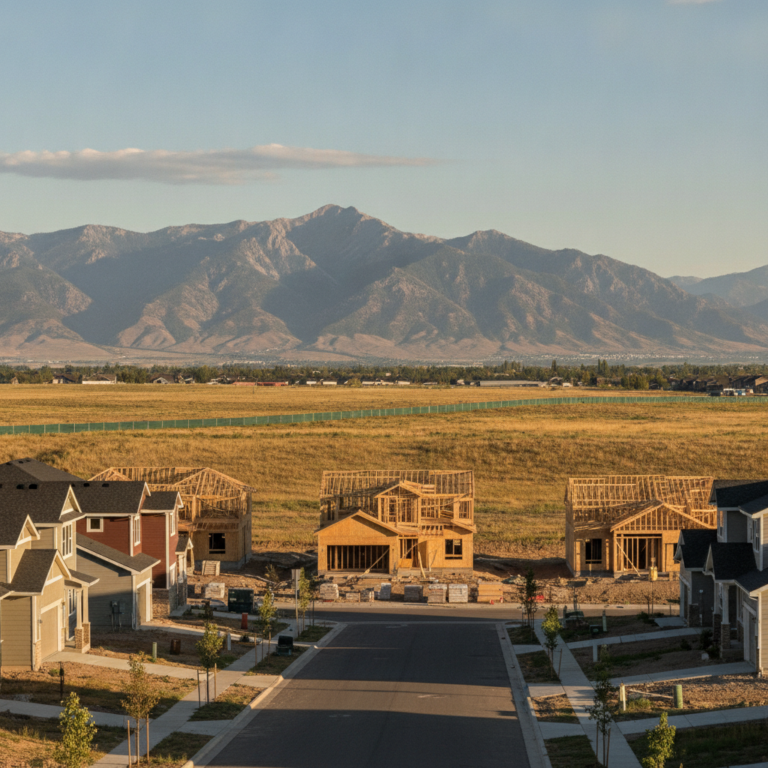
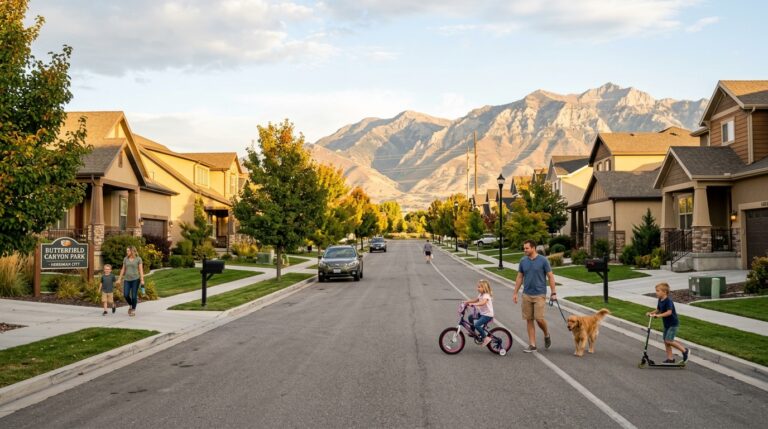
Herriman Future Development & Outlook — What Growth Means for Homebuyers, Sellers, and Daily Life
Herriman’s growth is not an abstract planning topic. It can affect your commute, school routine, nearby shopping, construction exposure, resale story, and what your neighborhood feels like three, five, or ten years from now.
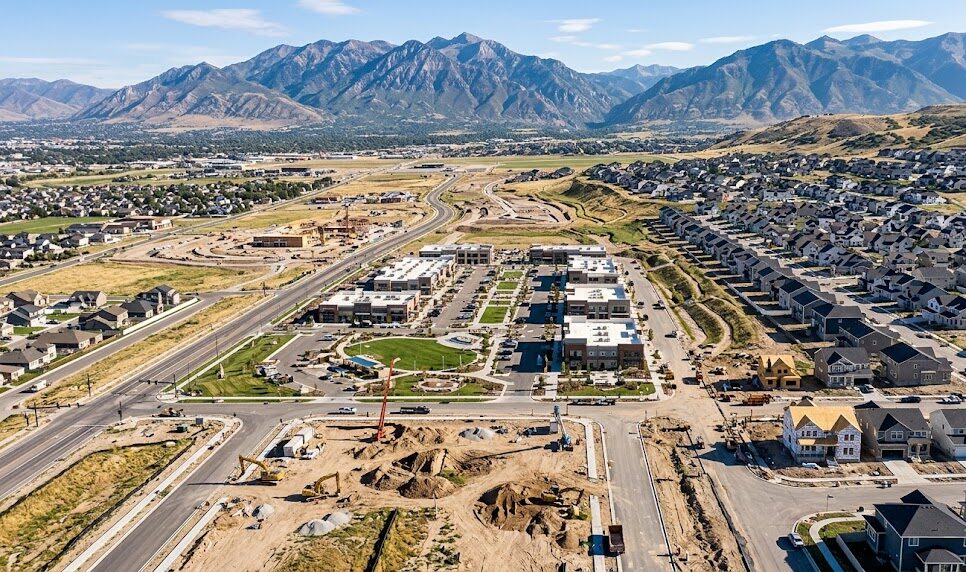
My quick answer: Herriman is still very much a growth story. That growth can create opportunity: more services, better local shopping, more housing options, new public spaces, and long-term energy. But growth also creates tradeoffs: construction seasons, changing traffic patterns, school pressure, boundary uncertainty, and neighborhoods that may feel different in a few years than they do on showing day.
When I help you look at Herriman, I do not want you making a decision based on rumor, hype, or fear. I want us to separate three things clearly: what exists now, what is officially approved or entitled, and what is still proposed, unfunded, or uncertain. That is how we turn “Herriman is growing” into a practical home decision.
This page uses official Herriman City sources for growth, infrastructure, general planning, Olympia, South Herriman development, The Commons, planning commission process, and proposed public projects. Development plans, timelines, funding, construction sequencing, tenants, and public improvements can change. Always verify current project status through official city, transportation, school district, HOA, and builder sources for the exact address or pocket.
Sources checked: Herriman City Growth & Infrastructure, Olympia, South Herriman Development, The Commons at Herriman Towne Center, Southwest Athletic Complex Proposal, General Plan, Engineering/Transportation Master Plan information, Planning Commission, and relevant City Council updates.
What changed in this update: added a project-status tracker, clarified proposed versus entitled versus under-construction language, added address-level due-diligence steps, expanded road/infrastructure verification, and fixed the page image URL to HTTPS.
Herriman growth snapshot: what the current official sources say
Herriman City’s own growth overview is direct: the city says it has grown from about 20,000 to 64,000 residents in the past 15 years. It also states that 41% of homes are townhomes or apartments, and that another 14,000 homes are already entitled to developers.
That combination matters. It means Herriman is not just adding homes in one small corner. It is managing a broader shift in housing type, infrastructure needs, school demand, road planning, public services, and future commercial activity.
The data does not tell us whether you should buy or sell. It tells us what to investigate. If you are looking at a home near active or planned growth, we need to understand what is already approved, what is under construction, what is still conceptual, and what would affect your daily life first.
How to read Herriman development status without overreacting
One of the most important improvements to this page is status clarity. A project that is built, approved, entitled, proposed, or merely discussed should not carry the same weight in a buying or selling decision. Before you use future growth as a reason to buy, sell, price, or avoid a home, put the project into the right bucket.
| Status term | Plain-English meaning | How much weight to give it | What to verify |
|---|---|---|---|
| Existing / built | The road, park, store, school, or amenity is already open and operating. | High. This affects life today. | Access, hours, rules, traffic, parking, and how it works from the exact address. |
| Under construction | Work has started, but timing, disruption, and final delivery may still change. | Medium to high. It may affect daily life soon, including detours or construction exposure. | Construction notices, phase maps, road closures, completion windows, and nearby impacts. |
| Approved / entitled | Legal approvals or development rights exist, but the project may still be phased over time. | Medium. It is more than rumor, but timing and sequencing matter. | Entitlement documents, master development agreements, plats, density, roads, utilities, and builder timing. |
| Master-planned / phased | A larger plan exists, but pieces may come online over several years. | Medium. Useful for context, but not every phase affects every home. | Current phase, next phase, exact location, access roads, parks/open space, and commercial timing. |
| Proposed | The idea is being discussed or explored, but it may not be funded, final, or guaranteed. | Low to cautious. Treat it as possible upside, not a reason to overpay. | Funding, approvals, partners, public process, meeting records, and whether the scope has changed. |
| Rumor / marketing claim | A statement you heard from a neighbor, online post, builder rep, or listing copy without official backup. | Very low. Do not make a purchase decision on it. | Official city pages, agendas, minutes, maps, agencies, HOA documents, and written disclosures. |
Start with the useful question: how will growth change your routine?
People often ask, “Is Herriman still growing?” The answer is yes. But that question is too broad to help you choose a home. A better question is: If we buy in this pocket, what part of our routine might change over the next few years?
That question turns growth into something practical. It points us toward commute routes, school boundaries, construction exposure, nearby shopping, future parks, road improvements, and whether the home still works if the neighborhood around it becomes busier.
| Growth category | What it can change | What I would verify |
|---|---|---|
| Roads and corridors | Commute timing, detours, bottlenecks, lane shifts, and access to nearby cities. | Current roadwork, planned right-of-way, project scope, construction notices, and actual drive tests. |
| New housing phases | Traffic volume, school pressure, neighborhood feel, construction noise, dust, and future density. | Entitlements, builder timelines, phase maps if available, HOA documents, and proximity to active building. |
| Commercial centers | Errands, dining, shopping, job access, local spending, and future convenience. | Confirmed tenants, projected openings, access roads, parking, and what is still conceptual. |
| Schools and services | Boundaries, enrollment patterns, drop-off traffic, public safety, crossing guards, and family routines. | Official district boundary tools, city service context, and the school route from the exact address. |
| Parks and civic amenities | Quality of life, sports access, trail routines, community events, and neighborhood appeal. | What is open now, what is proposed, what is funded, and what access rules apply. |
| Possible growth upside | Possible friction | How to decide if it matters |
|---|---|---|
| More retail, dining, and services closer to home. | Temporary construction, new signals, busier intersections, and changed traffic patterns. | Compare your current errands loop with the projected location and likely access roads. |
| More parks, trails, open space planning, and recreation options. | Some amenities may be phased, proposed, seasonal, or still unfunded. | Give more weight to open amenities and less weight to amenities without funding or dates. |
| More housing choices for different budgets and stages of life. | More density can change parking, school demand, road volume, and neighborhood feel. | Look at the exact housing mix near the home, not just the citywide growth story. |
| Better long-term connectivity as major roads and infrastructure are extended. | Roadwork can affect the first ten minutes from your driveway before benefits are felt. | Test today’s route and check official construction/project maps for the next phase. |
Herriman future-development project tracker
This tracker is designed to make the page more useful than a general “growth is coming” summary. Use it to separate the major growth signals by status, location, possible impact, and the next thing a buyer or seller should verify.
| Project / area | Current status to describe carefully | Buyer or seller impact | What to verify next |
|---|---|---|---|
| Citywide housing entitlements | Herriman City notes about 14,000 additional homes already entitled, with a meaningful multi-family share. | Long-term housing mix, traffic, school demand, public services, and resale comparisons. | Exact nearby entitlements, density, phase timing, road improvements, and whether the home competes with future inventory. |
| Olympia | 933-acre master-planned development in northwestern Herriman, annexed with a master development agreement in 2021 and built in phases. | Future residential, commercial, open-space, road, and service changes in the northwest growth corridor. | Current phase, homebuilder information, road/park construction map, proximity to the property, and U-111 / Herriman Boulevard access changes. |
| South Herriman: Rosecrest, Panorama, and South Hills | Master development agreements updated/approved in November 2024, with housing, commercial, parks, open space, utilities, and road improvements. | Hillside housing mix, Mountain View Corridor access, Juniper Crest Road changes, construction exposure, and future services. | Phase maps, public infrastructure district details, Juniper Crest timing, utility sequencing, park timing, and school-boundary impact. |
| The Commons at Herriman Towne Center | Groundbreaking announced June 27, 2025; current plans call for 200,000+ square feet of retail and restaurant space, with openings projected as early as 2027. | More local errands, dining, shopping, potential jobs, and gathering options, but also construction and traffic changes near 13400 South / Mountain View Corridor. | Confirmed tenants, opening dates, access points, parking, construction notices, and whether the route helps or complicates your week. |
| Southwest Athletic Complex proposal | Land is secured, but Herriman City describes the complex as proposed and not currently funded or guaranteed. | Possible future recreation, tournament, business, and event-traffic implications if built. | Funding, partnerships, public approvals, traffic plan, final layout, and whether the amenity is relevant to your household. |
| Transportation / road planning | Herriman City is updating its Transportation Master Plan, and City Council approved an agreement for the Herriman Boulevard / 12600 South extension toward U-111. | Commute predictability, detours, access, construction timing, and how growth connects to nearby cities. | City engineering updates, construction maps, UDOT notices, school-year traffic, and actual weekday drive tests. |
| Planning Commission / future applications | Ongoing city process for general plan amendments, zone changes, subdivisions, and land-use ordinance changes. | Future changes may begin as agenda items before buyers notice them in the field. | Planning Commission agendas, minutes, City Council records, GIS maps, and notices tied to the exact pocket. |
The tracker should be reviewed regularly because status can change from proposed to funded, from entitled to under construction, or from a broad plan to a specific phase. Add a short update note whenever official pages, City Council records, Planning Commission records, or construction maps change.
Major development areas and signals to understand
Herriman has several growth areas and project signals that buyers and sellers should understand. I would not treat any one of these as a simple “good” or “bad.” Each one changes the city in a different way, and each one affects different pockets differently.
Olympia development
Herriman City describes Olympia as a 933-acre development in northwestern Herriman. The land was annexed into Herriman’s boundaries with a master development agreement in 2021. The city says Olympia will include residential housing, commercial areas, and open space and will be built in phases over several years.
How I would use this as a buyer: I would ask how close the home is to Olympia, whether Herriman Boulevard / 12600 South and U-111 access changes affect your route, which road or park phases are closest, and whether future commercial or residential phases could change the first ten minutes from your driveway.
South Herriman development
Herriman City describes the southern hillside as a future mix of housing, commercial spaces, parks, open space, utilities, and infrastructure improvements. The city identifies Rosecrest, Panorama, and South Hills as the three major development areas, with updated agreements approved in November 2024.
How I would use this as a buyer: I would separate the view from the future plan. A hillside or edge-of-city feel may change as new phases, Juniper Crest Road improvements, commercial nodes, parks, utilities, and housing density come online. The key is knowing whether you are buying into a quiet established pocket or a changing growth corridor.
The Commons at Herriman Towne Center
Herriman City says The Commons at Herriman Towne Center broke ground on June 27, 2025, at the 13400 South site west of Mountain View Corridor. Current plans call for more than 200,000 square feet of retail and restaurant space, with businesses projected to open as early as 2027 and tenant details expected separately.
How I would use this as a buyer: Retail growth can reduce errands friction, but early phases can also bring construction and traffic changes. I would ask what exists now, what tenants are confirmed, what is still projected, and whether your normal grocery, dining, school, or work route benefits or becomes busier.
Southwest Athletic Complex proposal
Herriman City says the City Council is exploring a future multi-sport athletic complex in the northern part of the city. The city also notes that while land is now secured, the complex remains a proposal and is not currently funded or guaranteed.
How I would use this as a buyer: I would treat it as a possible future amenity, not as a guaranteed lifestyle feature. If it matters to you, verify funding, timing, access, event traffic, and whether your household would actually use it.
Official Herriman project pages and city updates distinguish between approved, entitled, phased, proposed, and not-yet-guaranteed improvements. That distinction is important. A buyer should not weigh a proposed amenity the same way as an existing park, road, store, or school.
How growth affects daily life first
Growth usually affects your daily life before it affects your home value story. You feel it in the first ten minutes from your driveway: school traffic, lane shifts, construction equipment, detours, new signals, temporary closures, or a route that becomes less predictable than it was six months ago.
That is why I like to test growth through routine, not emotion. Some buyers hear “development” and assume the worst. Others hear “future commercial” and assume everything will get easier. The truth is more specific: it depends on the project, the phase, the roads, your schedule, and the home’s exact location.
| Routine area | What growth can improve | What growth can complicate |
|---|---|---|
| Commute | New roads, better connectivity, improved access to commercial and employment areas. | Construction detours, increased volume, signal changes, and more route competition. |
| Schools | New facilities, expanded capacity, and services that follow population growth. | Boundary shifts, enrollment pressure, pickup/drop-off congestion, and route changes. |
| Shopping and dining | More nearby services, fewer out-of-area errands, and stronger local convenience. | Construction phases, traffic near commercial centers, and uncertainty before tenants open. |
| Parks and recreation | New public amenities, trails, sports facilities, open space, and community gathering places. | Proposed amenities may take longer than expected, change scope, or require funding still not secured. |
Buyer lens: how to evaluate Herriman growth before you write an offer
If you are buying in Herriman, growth should not scare you away by itself. But it should make you more careful. I would want you to understand what is near the home, what is coming, and whether your household is comfortable living through the transition.
- Locate nearby growth precisely.
Do not rely on “nearby” in a vague way. Look at the exact location of the development, the road access, and how it connects to the home you are considering. - Separate existing, approved, proposed, and rumored projects.
Existing amenities matter today. Approved and entitled projects matter for near-term planning. Proposed or unfunded projects should be treated carefully. - Test the first ten minutes from the driveway.
That is where growth often affects life first. Drive the route at commute time, school time, and evening errands time. - Ask what changes during construction.
Noise, dust, detours, road closures, temporary access changes, and heavy equipment can all matter depending on how close the home is. - Check school and commute together.
Growth affects families most when school timing and commute timing collide. Verify boundaries and run the real route. - Review special financing and infrastructure districts.
In growth areas, public infrastructure districts, impact-fee planning, utility work, and HOA/community documents can affect the real cost and timing story. Ask what applies to the specific property, not just the project name. - Make sure the home works today.
Do not buy only for a promised future benefit. A home should make sense with current roads, current services, and current lifestyle fit.
Seller lens: how growth changes the way your home should be positioned
If you are selling in Herriman, growth can shape your buyer’s questions before they ever schedule a showing. Buyers may wonder about construction, density, commute changes, school demand, future shopping, and how your pocket compares with new construction.
A strong listing strategy does not ignore those questions. It answers the right ones clearly and carefully.
| Seller consideration | Why buyers care | How I would position it |
|---|---|---|
| Established vs. growing pocket | Some buyers want finished streets and known routines; others are comfortable near future upside. | Clarify the daily-life advantage: quiet, access, newer feel, convenience, space, or future proximity. |
| Competition from new construction | Buyers may compare your resale home with builder inventory. | Highlight finished landscaping, window coverings, established neighborhood feel, upgrades, storage, and no waiting period if true. |
| Commute and access | Growth makes route predictability a larger buyer question. | Emphasize practical access without promising commute times. Encourage buyers to test routes. |
| Schools and services | Families want certainty, especially in growth areas. | Do not overstate assignments. Point buyers to official verification and frame the home’s routine strengths. |
| Nearby amenities | Future commercial or recreation improvements can strengthen interest if buyers understand them. | Reference current official context carefully and distinguish existing amenities from proposed improvements. |
The no-guesswork verification checklist
Development research can feel overwhelming because there are too many opinions floating around. The calm way to handle it is to verify the few things that actually change the decision.
| What to verify | Why it matters | Where to start |
|---|---|---|
| Project status | Proposed, approved, funded, entitled, and under construction are not the same thing. | Official city pages, Planning Commission records, City Council updates, and project-specific pages. |
| Project location | Distance matters less than how the project connects to your roads and routine. | Map the project from the exact address and drive the route. |
| Timeline | A future benefit may not arrive during the years you own the home. | Look for official timing language and whether funding or construction has actually begun. |
| Road impact | Construction and growth often affect access before anything else. | City engineering updates, transportation agencies, road notices, and weekday test drives. |
| School impact | Growth can affect enrollment pressure, boundaries, and daily traffic. | Official school district boundary tools and school-year updates. |
| HOA and builder documents | Rules, fees, amenities, phasing, and reserves can affect the real cost of ownership. | CC&Rs, HOA budgets, builder contracts, community maps, and disclosures. |
Address-level due diligence before you rely on a future-growth story
For a specific listing, I would turn the broad growth story into an address-level review. That means checking not only the project name, but the parcel, route, phase, funding, access, school path, HOA/builder documents, and how the first few minutes from the driveway may change.
| Address-level check | Why it matters | What to ask or look up |
|---|---|---|
| Nearby parcels and zoning | Vacant or changing land near the home can affect views, traffic, noise, and future privacy. | GIS maps, land-use map, planning records, and whether adjacent land is residential, commercial, open space, or infrastructure. |
| Planning and City Council records | Future changes often appear first as applications, amendments, agenda items, or approvals. | Planning Commission agendas, City Council recaps, public notices, and project-specific pages. |
| Road and utility sequencing | Roads, water, sewer, and construction timing can shape daily life before the final project benefit arrives. | Engineering updates, construction maps, development agreements, traffic-control notices, and utility providers. |
| School and activity route | Growth can affect drop-off, pickup, boundary expectations, and after-school driving. | Official district tools, weekday drive tests, crossing/traffic patterns, and school-year timing. |
| HOA, builder, and PID documents | Rules, fees, infrastructure financing, amenities, and future phases can affect the real ownership experience. | CC&Rs, budgets, disclosures, builder maps, special-district/PID notices, and recorded documents. |
Herriman City’s Planning Commission page explains that the commission provides analysis and recommendations on present and future development, including general plan amendments, zone changes, subdivisions, and land use ordinance amendments. That process matters because future development is not just rumor; it moves through formal review and documentation. Herriman City’s Engineering page is also important for master plans, transportation planning, and development-information resources.
When you send me a listing or a pocket you are considering, this is the kind of checklist I like to run through. Not to make the decision complicated — to make it calmer. Once we know what is real, what is uncertain, and what actually affects your routine, the choice usually becomes clearer.
FAQ: Herriman future development and outlook
Want a local growth-impact review before you choose a Herriman pocket?
Send me the pocket, address, or listing you are considering, and I can help you think through the growth questions that matter: commute sensitivity, school routine, construction exposure, nearby services, future commercial activity, and whether the home works with today’s reality — not just tomorrow’s promise.
Reminder: Verify development status, project timelines, funding, roadwork, school boundaries, HOA rules, builder documents, PIDs/special-district details, utilities, and municipal policies using official sources and qualified professionals for the specific address.