
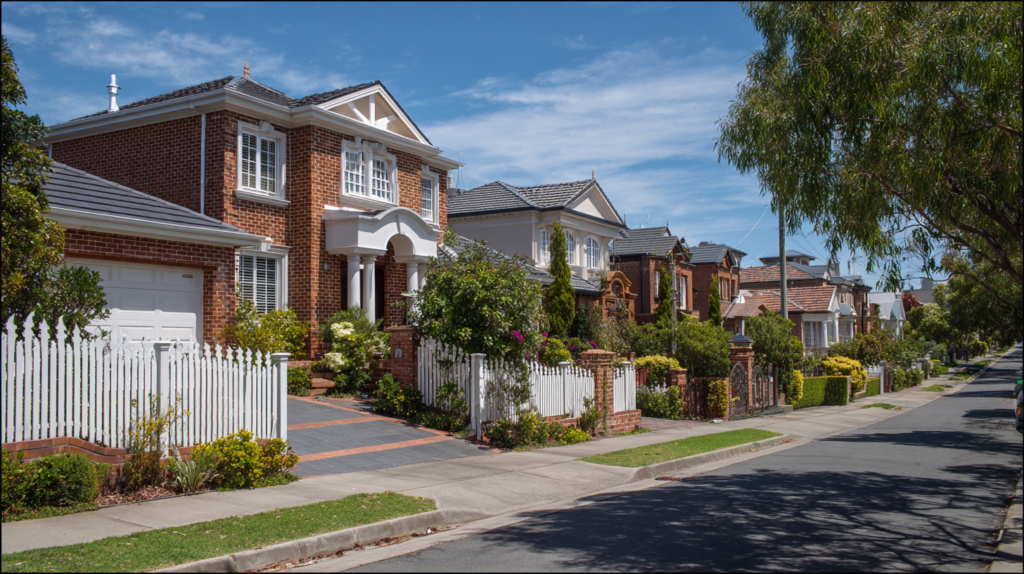
Herriman Neighborhoods Overview
Herriman is not one single “type” of suburb. If you are searching for a true Herriman neighborhoods overview, the most useful starting point is understanding that different pockets of Herriman can feel meaningfully different in price, housing style, lot pattern, commute convenience, views, and stage of development. That matters whether you are buying your first home, moving up for more space, relocating from another Utah city, or deciding where to list in a changing market.
This guide is built for buyers, sellers, relocators, and homeowners who want neighborhood-level clarity. Instead of giving vague rankings of the “best neighborhoods in Herriman,” this page breaks down the practical differences that shape everyday life: what tends to feel newer, what often offers better value, where townhomes may make more sense than large single-family homes, and how nearby infrastructure, schools, parks, and future growth affect real estate decisions.
Clarity over hype: no neighborhood is universally best. The right fit depends on budget, household size, commute tolerance, home style, construction preferences, and how much ongoing growth you are comfortable living around. Use this page as a foundation, then pair it with current listings, school verification, market trends, and a local strategy conversation if you need neighborhood-specific guidance.
Why neighborhood differences matter in Herriman
When people browse Herriman homes for sale, it is easy to assume most of the city offers the same lifestyle: newer homes, foothill views, family-oriented streets, and continued suburban growth. At a high level, that impression is fair. But once you move from broad city interest into actual decision-making, neighborhood differences matter a lot.
Some areas of Herriman feel more established. Others are still closely tied to newer phases of development. Some neighborhoods lean more toward larger single-family homes and move-up buyers. Others make more sense for buyers prioritizing townhomes, lower maintenance, or a more flexible price point. In some pockets, you may be paying more for lot position, mountain views, newer finishes, or proximity to future growth corridors. In others, the appeal may be practical value relative to nearby cities like South Jordan or planned-community alternatives like Daybreak.
The real question is not “What is the best neighborhood in Herriman?” The better question is: Which part of Herriman fits my budget, commute, housing type, and stage of life? That is the lens this guide uses throughout.
What buyers usually mean when they ask about Herriman neighborhoods
Most buyers are not really asking for neighborhood names alone. They are usually trying to solve one or more of these problems:
Common decision questions:
- Where can I find the best balance of price and square footage?
- Which areas feel most established versus still under active construction?
- Where are the stronger options for townhomes, condos, or lower-maintenance living?
- Which neighborhoods make the most sense for larger households needing 4 to 6 bedrooms?
- Where might I get better views, larger lots, or newer homes?
- Which parts of Herriman work best if I commute outside the city?
- How does one part of Herriman compare with another if schools, parks, or access matter most?
That is why a strong Herriman relocation guide needs more than a list of subdivisions. It needs local context that helps you narrow the city in a practical way.
A useful way to think about Herriman neighborhoods
Rather than treating every neighborhood as a separate universe, it is often more useful to think of Herriman in broad patterns. These patterns are not rigid boundaries, but they help buyers and sellers make sense of the market faster.
| Neighborhood pattern | Typical appeal | What to verify |
|---|---|---|
| More established suburban pockets | More settled feel, mature surroundings, less active construction nearby in some cases | Home age, updates, exact school assignments, resale competition |
| Newer construction corridors | Modern finishes, updated layouts, newer streetscapes, strong visual appeal | Builder competition, HOA rules, construction timelines, lot premiums |
| Townhome / entry-flex areas | Lower-maintenance living, more attainable price points in some segments | HOA dues, parking, storage, guest parking, resale demand |
| Higher-end / view-driven areas | Larger homes, stronger view appeal, more move-up and luxury interest | Price positioning, lot utility, slope impacts, custom vs tract product differences |
Established-feeling neighborhoods: who they fit best
Some parts of Herriman feel more settled than others. That does not necessarily mean they are old in the traditional Utah sense, but they can feel more complete: built-out streets, more lived-in landscaping, and less sense that every nearby lot is still turning over. For some buyers, that matters more than having the absolute newest kitchen finishes.
These areas often appeal to households who want the overall experience of living in Herriman but prefer a neighborhood with a bit more stability in its day-to-day feel. Sellers in these areas can sometimes benefit from that perception too, especially when competing against brand-new builder inventory that may have more polished finishes but less established surroundings.
These neighborhoods can make sense if you want:
- A more settled street feel
- Less direct exposure to ongoing nearby construction
- Resale homes where upgrades and landscaping may already be in place
- A neighborhood that feels lived-in rather than just opened
Still, “established” should never replace verification. Buyers should confirm whether nearby undeveloped land could still change the immediate feel of the area. If your decision depends heavily on schools, pair neighborhood research with the Herriman schools guide.
Newer-growth neighborhoods: what attracts buyers there
One of Herriman’s strongest draws is its newer housing stock. Many buyers come specifically because they want modern floorplans, larger kitchens, more open living spaces, newer systems, and neighborhood streets that feel clean and recently built. In those cases, newer-growth neighborhoods become the obvious focus.
These areas tend to work well for buyers who prioritize updated design and are comfortable with the realities that can come with growth: active construction, evolving commercial access, builder competition, and occasionally less mature landscaping or neighborhood character in the short term.
For some buyers, that tradeoff is worth it. For others, it is not. The key is being honest about what you are buying into. A newer-growth neighborhood often offers immediate visual appeal and newer housing features, but it may also require patience while the broader area catches up in terms of retail, traffic flow, and overall maturity.
Questions to ask in newer-growth pockets
Before you commit, verify:
- Is the area fully built out, or are additional phases still coming?
- How does resale pricing compare with nearby builder inventory?
- What are the HOA dues and restrictions?
- Are lot premiums justified by usable benefit, such as better views or privacy?
- How close are schools, parks, and everyday retail today, not just in the future?
- What will traffic patterns likely feel like during peak school and work hours?
Neighborhoods for townhomes, lower-maintenance living, and flexible entry points
Not everyone moving to Herriman is looking for a large detached home. Some buyers want easier maintenance, lower exterior upkeep, or a price point that feels more approachable than the city’s larger move-up segments. That is where townhome-oriented and lower-maintenance neighborhoods come into focus.
These areas can work especially well for first-time buyers, downsizers who still want newer surroundings, households that travel frequently, or buyers who want to enter Herriman real estate without stretching immediately into the city’s larger-home segments.
That does not automatically make them cheaper in every circumstance. HOA costs, parking realities, and layout tradeoffs matter. But they often create a more flexible entry path into the city, especially compared with larger detached homes in newer or view-premium areas.
Relevant next-step pages include Herriman townhomes, Herriman condos, homes under 1K square feet, and 2-bedroom homes in Herriman.
Move-up neighborhoods and areas with larger homes
Herriman has strong appeal for move-up buyers who want more square footage, more bedrooms, larger garages, or homes that better match a growing household. In these parts of the market, the neighborhood conversation often overlaps with lifestyle priorities: views, lot size, school planning, storage, multi-car parking, and whether the home feels suitable for a longer ownership horizon.
These neighborhoods often attract households who are choosing Herriman specifically because they want more home for the money than they feel they can find in some competing nearby markets. That can make the city especially attractive for buyers comparing larger homes in Herriman against South Jordan or even select Daybreak options where the product mix may feel different.
Move-up buyers often care most about:
- 4 to 6 bedroom inventory
- Basement usability and storage potential
- Garage size and driveway practicality
- Lot orientation, backyard use, and privacy
- View premiums and whether they are worth paying for
- Longer-term fit if the household expects to stay several years
Useful filters include 4-bedroom homes, 5+ bedroom homes, 6+ bedroom homes, 3K–4K sqft homes, and 5K+ sqft homes.
How commute patterns affect neighborhood choice
A neighborhood can look perfect on paper and still be the wrong fit if the daily commute wears you down. In Herriman, neighborhood choice often intersects with access. Some buyers are comfortable trading longer drives for more space and newer homes. Others need sharper commute efficiency to South Jordan, Draper, Lehi, or Salt Lake County destinations.
That is why the best neighborhoods in Herriman are highly personal. A household working hybrid and prioritizing square footage may view one area as a strong fit. A daily commuter with fixed start times may see the same area very differently.
Before narrowing neighborhoods too aggressively, pair this guide with Herriman transportation and accessibility. Then test routes during realistic traffic windows.
Neighborhoods, schools, and family decision-making
For many households, schools shape the neighborhood search more than almost any other factor. But school-related decision-making in a fast-growing city requires caution. School boundaries can shift. Enrollment realities can change. A neighborhood that one buyer describes as ideal for families may not be ideal for your exact school priorities, commute pattern, or budget.
That does not make school planning impossible. It just means neighborhood research should never stop at hearsay. If schools matter to you, use this page to narrow neighborhood style first, then verify details through the Herriman schools guide and current district information.
For family-focused neighborhood searches, verify:
- Current school assignments
- Bus route or drop-off practicality
- Nearby parks and recreation access
- Street traffic patterns around pickup and commute windows
- Household fit beyond school years alone
Views, lot position, and why two similar Herriman homes can feel very different
One reason a simple price-per-square-foot comparison often fails in Herriman is that lot position can materially change the experience of a home. In some neighborhoods, view corridors, elevation, or proximity to open space can create a meaningful premium. In others, the difference may be less about scenery and more about backyard usability, immediate neighboring density, or whether future build-out could affect privacy.
This matters because buyers sometimes assume the neighborhood alone tells the full story. In Herriman, the micro-position of a home within a neighborhood can matter just as much. A rear lot with less usable yard, a slope issue, or an adjacent future construction site can alter value perception even when the subdivision name is the same.
Neighborhood name is only the first layer. In Herriman, buyers should also evaluate lot shape, grade, view durability, rear-neighbor relationship, and whether the surrounding phase is complete or still changing.
How sellers should think about neighborhood positioning in Herriman
This page is not only for buyers. Sellers benefit from neighborhood clarity too. In Herriman, homes are often judged against both nearby resale inventory and active builder product. That means a strong listing strategy depends on showing why your exact property, in your exact neighborhood pocket, deserves attention.
If your home is in a more settled-feeling part of Herriman, your positioning may lean into stability, established landscaping, and reduced construction disruption. If your home is in a newer-growth area, your value story may be modern design, newer finishes, or access to expanding neighborhood amenities. If your property sits in a premium location within the neighborhood, that needs to be translated into clear buyer-facing language, not assumed.
That is one reason sellers should understand how buyers segment Herriman: not just by city, but by neighborhood feel, home type, and growth stage.
Comparing Herriman neighborhoods with nearby alternatives
A strong Herriman neighborhoods overview should help you compare, not just describe. Many serious buyers are really deciding among three broad options: stay focused on Herriman, shift toward South Jordan, or consider Daybreak.
Herriman
Often strongest for buyers wanting newer homes, more space, stronger suburban scale, and a wide range of move-up and new-construction options.
South Jordan
Can appeal more to buyers prioritizing broader commercial maturity, strong city services, and different neighborhood tradeoffs closer to established amenities.
Daybreak
Often draws buyers who want a more intentionally planned, amenity-rich, and stylistically distinct community experience.
That is why a neighborhood choice in Herriman should always be evaluated in context. The right answer is not which city is objectively best. It is which tradeoff set fits you better.
How to narrow your search inside Herriman
If you are overwhelmed by options, the fastest way to make progress is to narrow by decision type rather than by subdivision name alone.
Start with these filters:
- Budget: use under $250K, $250K–$500K, $500K–$750K, or over $1M
- Property type: compare single-family, townhomes, condos, and new construction
- Household size: browse by 3-bedroom, 4-bedroom, or 5+ bedroom needs
- Space needs: check 1K–2K sqft, 2K–3K sqft, or 4K–5K sqft
From there, layer in commute, school preference, and how much construction activity you are comfortable living around. That approach usually gets you closer to the right neighborhood faster than browsing randomly.
Frequently asked questions about Herriman neighborhoods
What are the best neighborhoods in Herriman?
The best neighborhoods in Herriman depend on what you value most. Some buyers prioritize newer construction and modern layouts. Others want more established surroundings, lower-maintenance townhomes, better view lots, or easier commute tradeoffs. The right answer depends on budget, home type, school needs, and daily routine.
Are all Herriman neighborhoods new?
No. Much of Herriman feels newer than older Salt Lake County suburbs, but not every neighborhood is at the same stage of development. Some feel more built out and established, while others are more directly tied to ongoing growth and new construction phases.
Which Herriman neighborhoods are best for families?
Family fit depends on more than just subdivision reputation. Buyers should evaluate home size, school assignments, commute practicality, nearby parks, and overall neighborhood stage. A large newer home may look ideal, but a different area may fit better if it aligns more closely with your exact school or daily-life needs.
Is Herriman good for first-time buyers?
It can be, especially for buyers open to townhomes, condos, or specific lower-maintenance segments. But affordability varies a lot by property type and neighborhood. First-time buyers should compare entry options carefully and use the affordability calculator before narrowing neighborhoods too quickly.
Should I buy resale or new construction in Herriman?
That depends on priorities. New construction may offer modern finishes and energy efficiency, while resale homes may offer better landscaping, window treatments, or a more settled neighborhood feel. The best approach is to compare both in the same price band rather than assuming one category always wins.
How do Herriman neighborhoods compare with Daybreak or South Jordan?
Herriman often appeals to buyers wanting more suburban scale, newer housing, and strong move-up options. South Jordan may appeal more to buyers who want a different balance of amenities and established city structure. Daybreak stands out for its more intentionally planned community identity. Each has different strengths.
What should relocators read after this page?
Relocators should continue with the Herriman housing guide, schools guide, transportation guide, amenities guide, and moving checklist.
Key takeaways from this Herriman neighborhoods overview
What to remember
- ✓ Herriman is not one-size-fits-all: neighborhood feel changes by growth stage, home type, and location within the city.
- ✓ The “best” neighborhood is personal: the strongest fit depends on commute, budget, school priorities, and maintenance preferences.
- ✓ Newer-growth areas and established-feeling pockets solve different problems: neither is automatically better.
- ✓ Property type matters as much as neighborhood name: townhome, condo, new build, and large single-family searches often point to different parts of the market.
- ✓ Neighborhood choice should be paired with verification: always confirm schools, HOA rules, commute realities, lot conditions, and nearby future development.
Use neighborhood clarity to make a smarter move in Herriman
If you are researching Herriman neighborhoods, there is a good chance you are trying to answer a bigger question: where in Herriman should I actually focus my search, or how should I position my home if I plan to sell? The most useful next step is to pair neighborhood context with current inventory and real budget filters.
Start with the Herriman community page, review the Herriman housing guide, and use the tools in Resources to pressure-test affordability, timing, and fit. If you want clearer local direction without pressure, you can also request a market snapshot based on your price range, commute needs, and preferred type of neighborhood.
Browse Herriman Request a Local Market Snapshot
Verification note: Neighborhood fit should always be confirmed using current listings, school assignments, HOA documents, utility details, commute testing, and any known future development plans affecting the area you are considering.