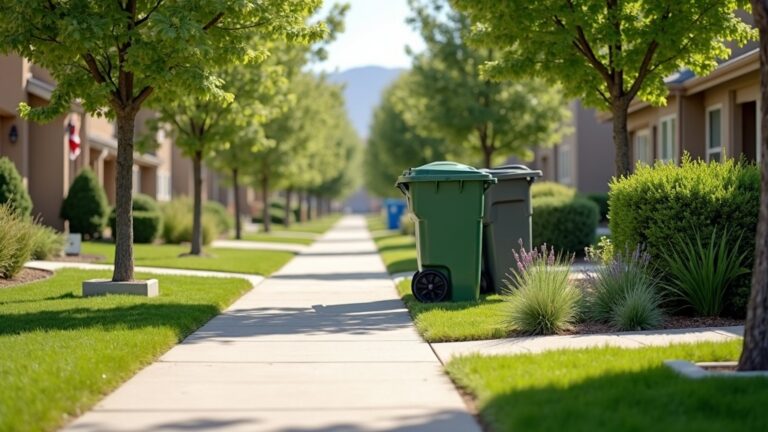
What South Jordan Buyers Should Know About Safety, Utilities, and City Services
Are you looking at South Jordan homes and wondering what daily life actually depends on after closing? The honest answer is that safety resources, utilities, parks, recreation, permits, water service, and city support can affect your day-to-day life just as much as the floor plan, especially if you are moving with kids, relocating from another city, or trying to choose between two neighborhoods that look similar online.

Here is what I would tell you if you were sitting across the table from me: before you buy in South Jordan, you should verify the services that support your normal week, not just the listing details. That means police and fire resources, utilities, water service, parks and recreation, city maintenance, permits, neighborhood access, and the small city-service details that become very real once the moving truck leaves.
A home can photograph beautifully and still create friction if trash pickup, utility setup, parking rules, stormwater drainage, road access, or city-service expectations are not what you assumed. This is where real talk helps. The house matters. The systems around the house matter too.
- What South Jordan city services should buyers check first? Start with utility connection, water billing, police and fire resources, trash and recycling, parks and recreation access, permit history, road maintenance, and how to report a problem after you move.
- Should safety be researched from a listing? No. A listing is not a safety report. Use official city resources, direct police/fire information, your own visits, and property-specific due diligence before making assumptions.
- Do utilities affect home choice? Yes. Water service, irrigation needs, utility setup, drainage, sewer, garbage service, and HOA responsibilities can change what a home costs and how easy it feels to own.
- Where should you verify city details? Use the official South Jordan City website, city departments, the parks and recreation page, utility resources, inspection findings, and direct calls when a detail affects your offer.
Why this question matters before you buy
When you are comparing South Jordan real estate, it is easy to focus on the visible parts: kitchen layout, yard size, garage space, schools, commute, and price. I understand that. Those are the pieces you can see in the photos and feel during a showing.
But after 36 years in this market, I can tell you that the less visible pieces often shape how a home feels six months later. City services are one of those pieces.
South Jordan city services are not just a background detail. They show up when you need to connect utilities, ask about water billing, understand garbage and recycling, report a road or drainage problem, use parks and recreation programs, check permit questions, or understand who handles what around your property.
Here is what this means for you: if you are moving to South Jordan, especially from outside the area, you should research the city systems around the home with the same seriousness you give the home inspection. Not because something is wrong. Because clarity makes your move calmer.
For families, public services can affect school routines, park access, emergency-resource awareness, and weekend life. For professionals, utilities, internet options, road maintenance, and commute reliability matter. For downsizers, city support, recreation access, snow removal expectations, and maintenance responsibilities may matter more than square footage.
Buyers often ask me about “the neighborhood,” but what they are really asking is, “Will this place work when life gets normal?” That means Tuesday trash pickup, a Saturday soccer field, a water bill, a streetlight that needs reporting, and knowing who to call when something does not feel right.
What to verify locally before choosing a South Jordan home
The official South Jordan City website is the best starting point for city-service due diligence. It gives you access to practical items like paying a water bill, reporting a problem, applying for permits, connecting utilities, city news, departments, and contact information. I would not treat that as optional reading if you are serious about a home.
I would also review the city’s Parks & Recreation information if parks, trails, sports, classes, events, or community programming matter to your household. In South Jordan, lifestyle is often tied to city facilities and recreation access, not just the house itself.
Now, let me separate the big categories.
| What to verify | Why it matters | What this means for you |
|---|---|---|
| Utilities and water | Utility setup, water billing, irrigation needs, sewer, garbage, and recycling affect the first month after closing and the long-term cost of ownership. | Ask what services are city-provided, what is private, what is HOA-managed, and how accounts are transferred after closing. |
| Police and fire resources | Safety questions should be verified through official resources, not listing language or neighborhood rumors. | Know which agencies serve the area, where to find official information, and how to ask better safety questions without guessing. |
| Permits and property records | Finished basements, additions, decks, accessory structures, and major remodels may involve permit history. | Do not assume prior work was permitted. Ask, verify, and let the inspection process guide deeper questions. |
| Parks and recreation | Parks, sports, trails, classes, and city events can shape whether South Jordan feels useful for your household. | Look at what is close to the home, not just what exists somewhere in the city. |
| Roads, drainage, and maintenance | Street condition, snow routes, drainage, sidewalks, lighting, and traffic patterns can affect everyday comfort. | Visit the street at different times and ask specific maintenance questions before you write off concerns as minor. |
How this affects home choice in South Jordan
When you search South Jordan homes for sale, I would look at each home through two lenses: the property itself and the service environment around it.
The property lens is obvious. You are looking at bedrooms, bathrooms, layout, storage, garage space, yard, updates, age, and price. The service lens is quieter, but it matters. Who maintains the road? How does water service work? Are there irrigation considerations? What does the HOA manage, if anything? Are parks close enough to use weekly? Do you know how to report a neighborhood issue after you move in?
For a family, that might mean choosing the home with a slightly smaller yard but better access to a park, school route, recreation programs, and a street pattern that feels easier with kids. For a professional, it might mean choosing the home with better utility readiness, internet options to verify, commute access, and less maintenance friction. For a downsizer, it might mean looking carefully at snow removal, yard responsibilities, city programs, medical access, and whether the home feels manageable.
Real talk: the “best” South Jordan home depends on what kind of support you need from the place around it.
Families
Look at park proximity, school routes, sidewalks, recreation options, road crossings, emergency-resource awareness, and whether the neighborhood supports your normal week.
Professionals
Verify commute access, utilities, internet options, road maintenance, snow expectations, and whether the home supports work-from-home or hybrid routines.
Downsizers
Pay attention to maintenance load, HOA responsibilities, utility simplicity, parks and recreation access, medical routes, and how easy the property feels to manage.
Relocators
Use official city resources to understand services before you assume South Jordan works like the city you are coming from.
What I would watch in this community
I would watch 5 things closely in South Jordan: water, permits, parks, street function, and responsibility lines.
Water matters because Utah ownership is not just about the mortgage. Yard size, irrigation needs, drought conditions, conservation rules, and billing setup can all affect how the home feels to own. A beautiful yard is still a system you need to understand.
Permits matter because South Jordan has homes from different eras and different development patterns. If a basement was finished, a deck was added, or a major system was changed, ask about permit history and do not skip the details.
Parks and recreation matter because living in South Jordan Utah often includes more than your lot line. If your lifestyle depends on sports, trails, playgrounds, classes, or city events, look at distance and actual use. A park 3 minutes away feels different from one across town.
Street function matters because the same city can feel very different street by street. One home may sit on a quiet interior road. Another may sit near a busier route, school traffic, or a future improvement area. Drive it in the morning, after school, and around dinner.
Responsibility lines matter because city, HOA, utility provider, homeowner, and county responsibilities can differ depending on the issue. Before buying, ask who handles what: sidewalks, park strips, irrigation, garbage, snow, streetlights, fences, easements, stormwater, and shared spaces.
Questions to ask before making a decision
Before you choose a South Jordan home, I would ask these questions. They are not flashy. They are useful. That is the point.
Who provides each utility?
Ask about water, sewer, garbage, recycling, gas, electricity, internet, irrigation, and whether any services are handled through an HOA or separate provider.
What city services will I actually use?
Think through parks, trails, recreation programs, permits, bill pay, reporting issues, road maintenance, and city alerts. These are part of the living experience.
What should I verify about safety?
Use official police, fire, and city resources. Visit the area at different times. Ask grounded questions, but do not rely on hearsay or broad assumptions.
Were improvements properly permitted?
If the home has a finished basement, added room, deck, shed, major electrical work, or other changes, ask about permit records and inspection context.
Does the neighborhood support my normal week?
Map your grocery route, school routine, commute, park access, medical route, and weekend errands. If the home makes your week easier, that matters.
A practical South Jordan due-diligence checklist
If you like having a simple process, here is how I would review services before writing or finalizing an offer.
| Due-diligence step | What to check | Why it matters |
|---|---|---|
| Before the showing | Look at the city website, parks and recreation resources, commute routes, nearby facilities, and visible neighborhood context. | This helps you arrive with better questions instead of reacting only to the house. |
| During the showing | Notice drainage, sidewalks, streetlights, road noise, park strips, yard watering needs, nearby traffic, and neighborhood maintenance. | These details can affect daily comfort and future costs. |
| Before inspection deadline | Review permit questions, utilities, HOA documents if applicable, inspection findings, and any service questions that are unclear. | This is when you still have room to ask, negotiate, or rethink the decision. |
| Before closing | Confirm utility transfers, city account setup, garbage/recycling details, HOA contacts, and who to call for service issues. | This makes move-in less chaotic. |
If you are still early in your research, start with my South Jordan public services and safety guide and the broader South Jordan community guide. Use those pages as context, then narrow the decision to the exact home, street, and service details.
So, what should South Jordan buyers know before choosing a home?
You should know that South Jordan city services are part of the real estate decision. They are not separate from it.
The house gives you the structure. The city services help determine how that structure works in real life: water, utilities, roads, parks, recreation, public safety resources, permits, and problem-solving when something comes up.
The honest answer is simple: do not wait until after closing to learn how the city works. Verify the services while you are still comparing homes. Ask practical questions. Use official resources. Drive the neighborhood. Read the documents. Look past the photos.
Here is what I would do: choose the home that gives you both a strong property fit and a clear service fit. When those two line up, your move tends to feel a lot less stressful.