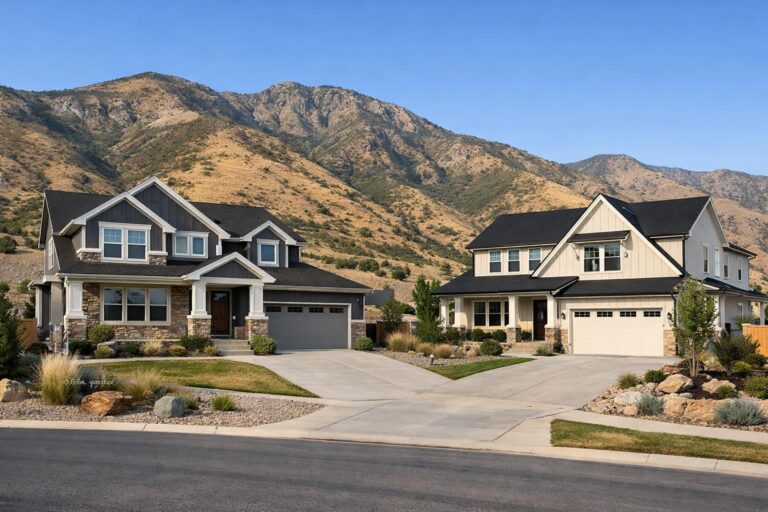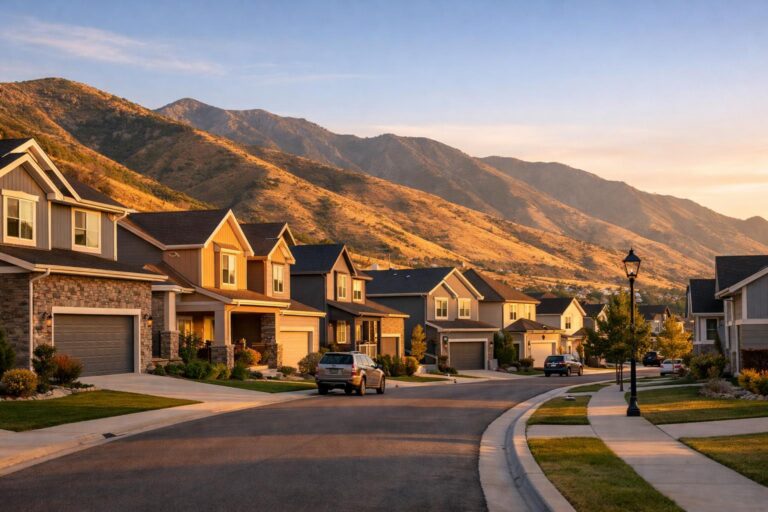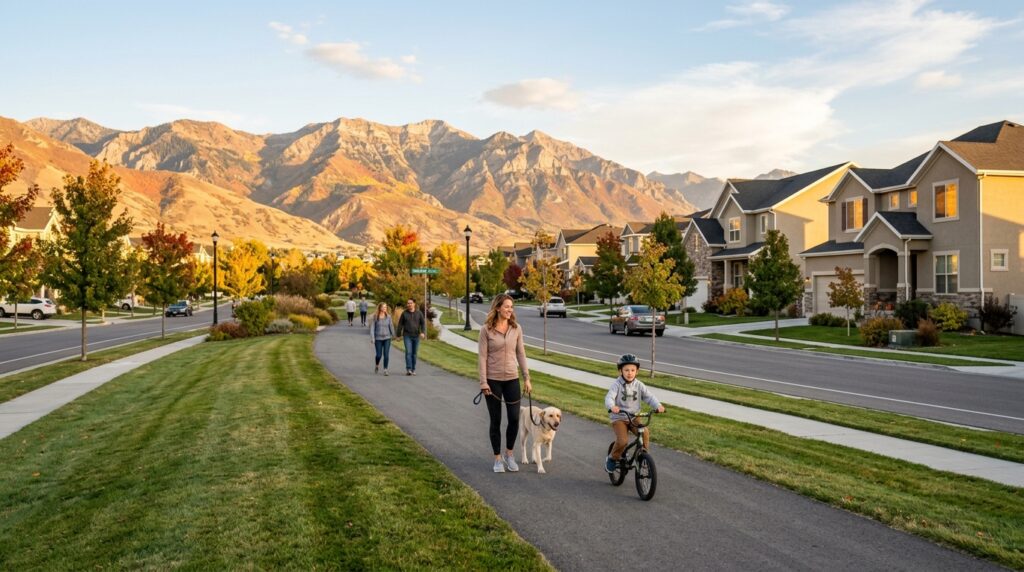
Is Herriman Still Quiet Enough for Buyers Who Want Room to Breathe?
Are you looking at Herriman because you want more space, a quieter neighborhood feel, and a little room to breathe without leaving the southwest Salt Lake County orbit? The honest answer is yes, Herriman can still feel open and calm for the right buyer — but not in every pocket, not at every time of day, and not if you ignore growth, commute pressure, density, and the exact street you are choosing.
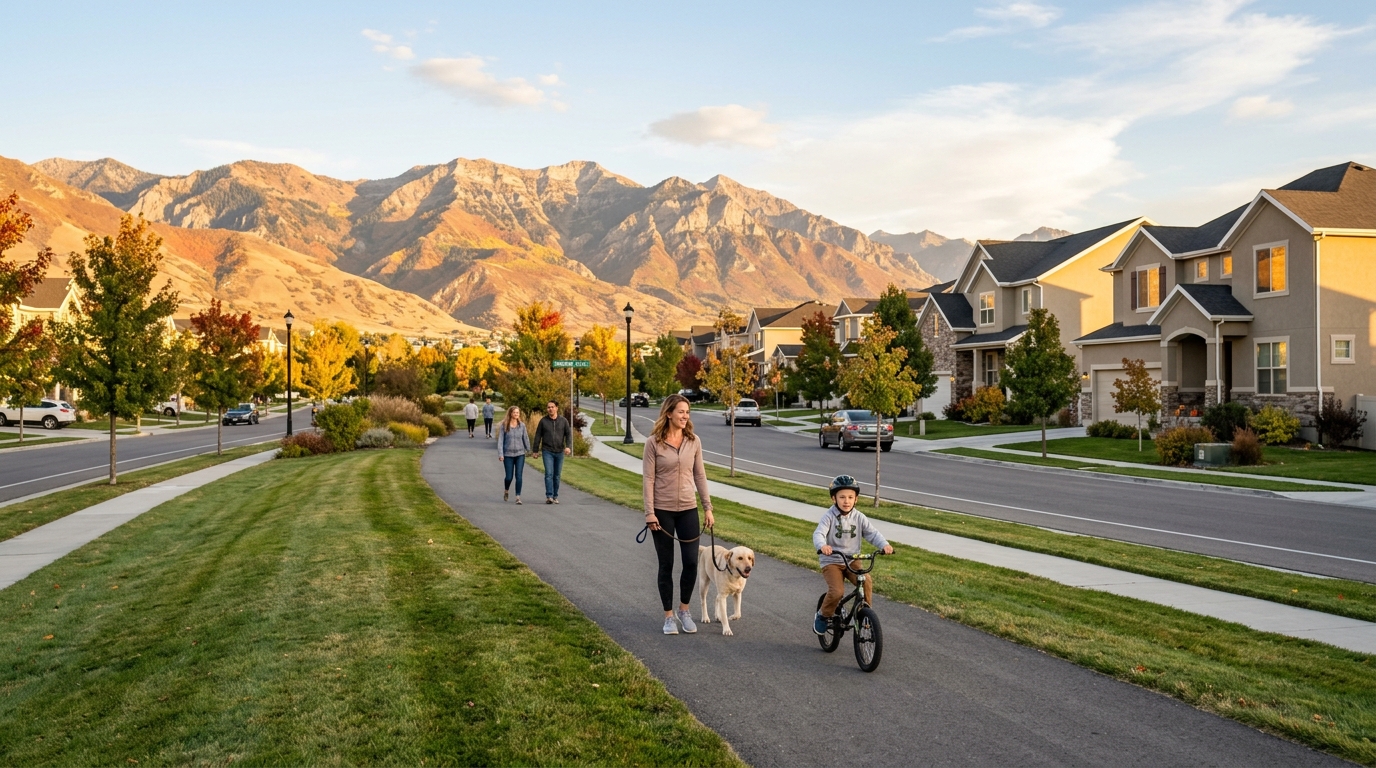
Here is the real talk: living in Herriman Utah still gives many buyers the feeling of space, views, trails, newer neighborhoods, and a little more elbow room than they may feel in more built-out parts of the valley. But Herriman is not the quiet west-side secret it once was.
The city has grown hard and fast. Herriman’s own growth page says the city grew from about 20,000 to 64,000 residents in 15 years, and that another 14,000 homes are already entitled to developers. What this means for you is simple: if you want quiet, you need to evaluate the exact neighborhood, road access, surrounding land, and daily rhythm before you fall in love with a listing photo.
- Is Herriman still quiet enough for buyers who want room to breathe? In some neighborhoods, yes. But the answer depends on density, road access, nearby development, commute patterns, school traffic, and how close the home sits to future growth areas.
- Has Herriman changed? Yes. Herriman has grown from about 20,000 to 64,000 residents in 15 years, so the lifestyle is more suburban and more active than it used to be.
- What should you check first? Check the exact street, commute route, open land nearby, trail and park access, school traffic, HOA rules, and city growth information before choosing a home.
- Who tends to fit well here? Buyers who want west-side space, mountain views, outdoor access, newer homes, and a growing community — as long as they are honest about the tradeoffs.
Why this question matters before you buy
Quiet is not one thing. In Herriman, quiet can mean a wider-feeling street, a backyard with mountain views, less through-traffic, a trail nearby, a home farther from commercial noise, or simply a neighborhood where evenings feel slower.
That is why the question is not just, “Is Herriman quiet?” The better question is, “Which version of Herriman are you buying?”
Some parts of Herriman still feel open, especially when you are closer to trail systems, hillside views, or neighborhoods designed with more breathing room between daily destinations. Other pockets feel busier because growth has brought more homes, more school traffic, more construction, and more demand on roads.
Herriman’s city growth information is important here. The city says 41% of homes are townhomes or apartments, and another 14,000 homes are already entitled to developers. That does not make Herriman a bad choice. It means you cannot assume every neighborhood will deliver the same sense of quiet.
Here is what I would tell you after 36 years in this market: buyers often fall in love with “open” on the drive in. But daily life is decided by the last five minutes to the house, the school drop-off route, the stoplight pattern, the construction nearby, and what is planned on the vacant land around you.
Herriman can still feel spacious. It just does not feel rural. If you want silence, you need to be very selective. If you want a newer suburban community with views, trails, parks, and room to exhale, Herriman may still be worth a serious look.
What to verify locally before you choose a Herriman neighborhood
Start with the city’s own growth and infrastructure information. Herriman’s official website and city growth overview explain the scale of development, housing mix, infrastructure pressure, schools, traffic, water, public works, and parks/trails planning. I would review that before assuming a neighborhood will stay exactly as it feels today.
Then zoom in. A city-level page can show the big picture, but your decision lives on one street.
| What to verify | Why it matters | What this means for you |
|---|---|---|
| Nearby entitled land | Approved future development can change traffic, density, views, noise, and the feel of nearby streets. | Ask what is planned around the home, not just what exists on showing day. |
| Road access | Quiet neighborhoods can still feel stressful if every errand or commute bottlenecks through the same route. | Drive the route at morning, school pickup, and evening times. |
| School traffic | Herriman’s growth has added schools, crossing guards, and more daily student movement. | Check whether your target street sits near a school route, pickup line, or busy crossing area. |
| Trail and park proximity | Parks and trails can make a neighborhood feel more open, but they can also bring parking and activity near certain access points. | Visit after work and on weekends, not just at noon on a weekday. |
| Lot position | Two homes in the same subdivision can feel different based on backing, slope, corner location, road exposure, and views. | Look at the lot, not just the floor plan. |
How this affects your home choice
When you search Herriman homes for sale, it is easy to filter by bedrooms, price, square footage, and garage size. Those matter. But if your deeper goal is room to breathe, you also need to filter by feel.
That means standing in the backyard and listening. It means noticing whether the street is mostly local traffic or a cut-through route. It means asking what sits behind the fence, what is planned down the road, and whether the mountain view you love depends on land that may change later.
If you are moving to Herriman from a more built-out community, you may feel the openness immediately. Wider skies, newer homes, park systems, trails, and mountain edges can be a real lifestyle upgrade. But if you are moving from a rural area or a quieter edge of the valley, parts of Herriman may feel more active than you expect.
The right home choice depends on which buyer you are.
The space-seeking family
You may care most about yard usability, bedroom count, garage space, school routes, and whether kids can play nearby without constant traffic worry.
The remote or hybrid worker
You may care more about neighborhood quiet during the day, reliable utilities, office layout, and whether construction noise will affect work hours.
The outdoor-access buyer
You may value trail access, parks, hillside views, and weekend routines more than being closest to retail or freeway access.
The commute-sensitive buyer
You may love the space, but you need to test morning and evening access before deciding the tradeoff works.
What I would watch in this community
I would watch four things: density, road pressure, open-space expectations, and long-term service load.
Density matters because Herriman has added and entitled a meaningful amount of multi-family housing. That can support housing options, but it also changes how roads, schools, and public spaces feel. If you want quieter streets, pay attention to whether you are buying near higher-density areas, commercial zones, or future phases.
Road pressure matters because the average commute time listed by the city is about 27.4 minutes, and growth has put visible pressure on local corridors. Future transportation improvements may help, but your current life is lived on current roads. Test them before you buy.
Open-space expectations matter because “room to breathe” is partly emotional. A home can have the right square footage and still feel boxed in. Another home may be smaller but feel better because it backs a trail, faces a wider street, or sits in a quieter pocket.
Service load matters because growth affects more than traffic. Herriman’s city growth page notes public works responsibility for about 368 lane miles of roadway, 55 miles of trails, and 263 acres of park space, with approved growth adding more. That is a real reminder that the amenities buyers love also require maintenance and planning.
Questions to ask before making a decision
Before you decide whether Herriman still gives you enough room to breathe, I would ask these questions slowly. They will tell you more than a listing description ever will.
What does “quiet” mean to you?
Do you mean less traffic, fewer neighbors, more yard space, trail access, mountain views, lower noise, or simply a calmer neighborhood rhythm?
What is planned near the home?
Look beyond today’s vacant land. Approved homes, roads, commercial plans, or school-related traffic can change the feel of a pocket over time.
Does the commute erase the breathing room?
A peaceful neighborhood may not feel peaceful if the daily drive adds stress every morning. Test the actual commute before you decide.
Will the lot still feel open after you live there?
Notice fencing, slope, neighboring windows, road exposure, backyard depth, and whether the outdoor space is truly usable.
Are you buying the lifestyle or only the square footage?
If your goal is a calmer daily rhythm, the neighborhood may matter more than an extra bedroom or a larger pantry.
A practical way to compare Herriman neighborhoods
If you are comparing Herriman real estate, I would put each neighborhood into three buckets: space, pressure, and rhythm.
| Decision bucket | What to look at | Why it matters |
|---|---|---|
| Space | Lot size, usable yard, views, street width, parks, trails, and distance between daily destinations. | This tells you whether the home gives you the physical breathing room you want. |
| Pressure | Nearby growth, school traffic, commute bottlenecks, construction, density, and road access. | This tells you what might make the neighborhood feel busier than expected. |
| Rhythm | How the street feels morning, afternoon, evening, and weekend. | This tells you whether the area supports the daily life you are actually trying to build. |
For broader context, use the Herriman demographics and lifestyle guide and the Herriman community guide. Then narrow your decision to the exact home, street, and surrounding growth pattern.
So, is Herriman still quiet enough?
For many buyers, yes. But the honest answer has conditions.
Herriman still offers a sense of space that many buyers are looking for: newer neighborhoods, mountain views, trails, parks, larger-feeling skies, and a community that can feel less compressed than older parts of the valley. But Herriman is also a fast-growing city with real infrastructure pressure, more housing coming, and a lifestyle that now feels more suburban than rural.
If you want absolute quiet, you need to be selective. If you want room to breathe without leaving the practical reach of South Valley jobs, schools, shopping, and services, Herriman may still make sense.
Here is what I would do: pick three neighborhoods that fit your budget, then visit each one at 7:30 a.m., 3:30 p.m., and after dinner. Drive the commute. Walk the street. Look at nearby open land. Check the city’s growth information. Then ask yourself which place makes your shoulders drop. That is the one worth a deeper look.