
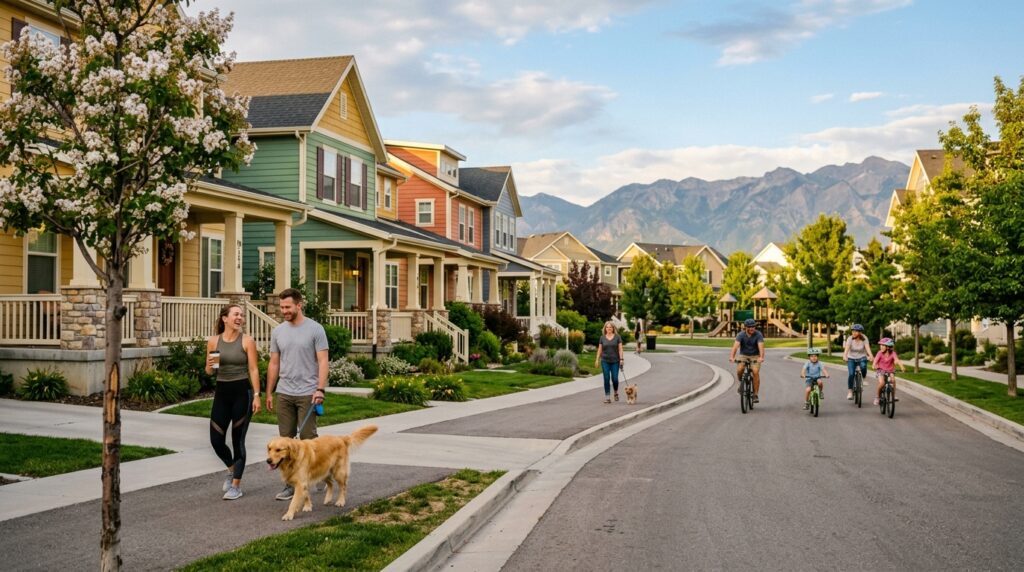
What Daybreak’s Ongoing Growth Could Mean for Buyers and Homeowners
Are you looking at Daybreak and wondering what the next few years of growth could change? The honest answer is that Daybreak’s ongoing development can add real lifestyle value, but it can also change traffic patterns, village feel, amenity access, construction noise, and the way a specific home lives day to day.
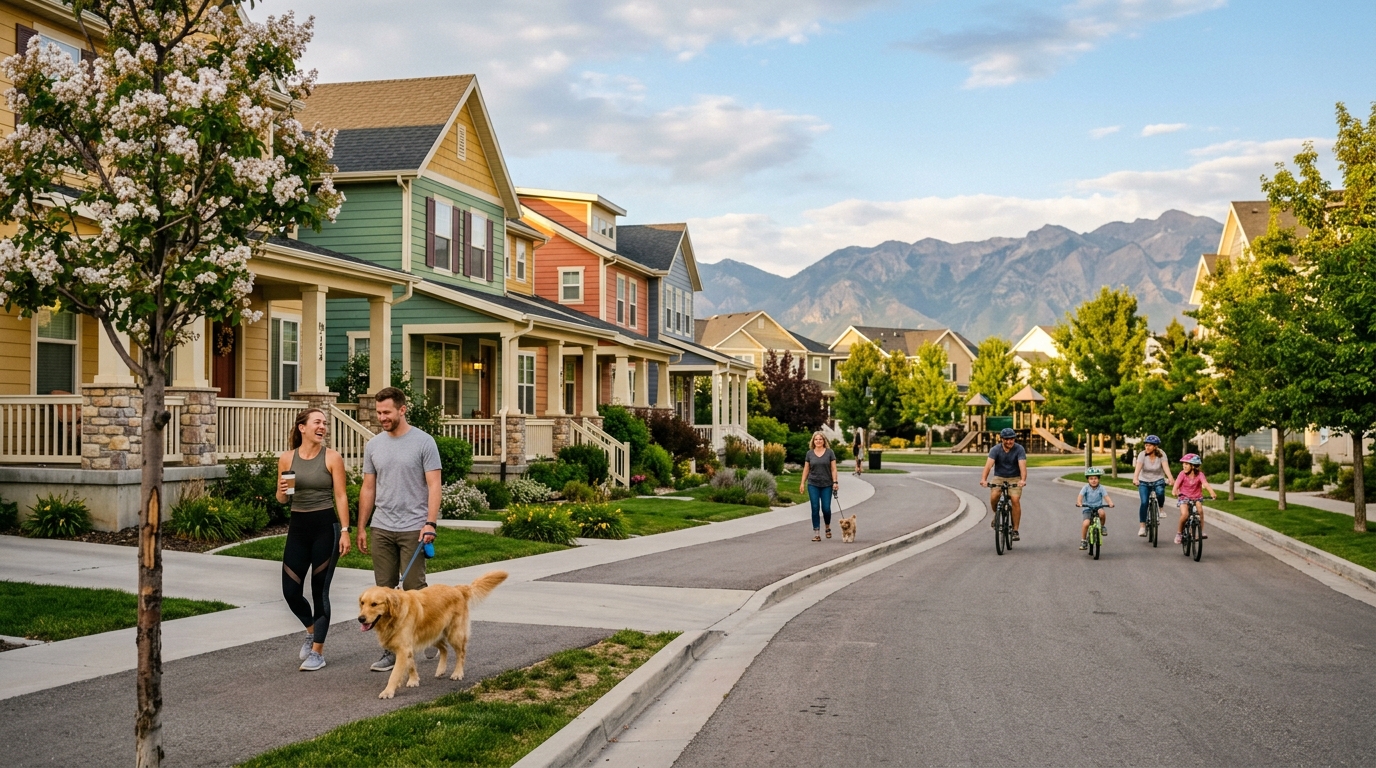
In Daybreak, the answer matters because you are not only buying a house. You are buying into a planned community that is still being built, adjusted, connected, and filled in. That can be a good thing when new amenities, trails, villages, shops, and gathering spaces improve daily life.
Real talk: future growth is not automatically good or bad. It depends on where the home sits, what is planned nearby, how you use the community, and whether you are comfortable living through the in-between stage before the finished version is fully visible.
- Could Daybreak future development help homeowners? It can, especially when new amenities, parks, trails, village connections, shops, and gathering spaces make daily life easier. But you still need to verify what is planned near the specific home.
- Could growth create downsides? Yes. Construction phases, changing traffic, future density, parking demand, school routines, and temporary disruption can affect how a neighborhood feels before the finished version arrives.
- What should you check first? Look at village location, current and planned amenities, road access, nearby undeveloped land, HOA/community association details, and official Daybreak development updates.
- Should you buy for today or tomorrow? Buy a home you can live with today. Treat future amenities as a bonus, not the only reason the home works for your move.
Why this question matters before you buy
Daybreak future development matters because Daybreak is not a static neighborhood. It is a master-planned community with villages, trails, parks, commercial areas, water features, and new home releases continuing to shape how the community works. That is different from buying in a fully built-out subdivision where the roads, homes, parks, and commercial pattern are mostly settled.
If you are researching Daybreak real estate, I would not stop at the floor plan. I would ask what is around the home now, what is likely to be around it later, and what the in-between years could feel like. In a growing community, the map is part of the purchase.
For buyers, growth can mean more options. New villages can bring different home types, new parks, new trails, and better connections. Daybreak has also highlighted continued attention around The Watercourse, including the expansion of water-focused amenities and new community features. That can make nearby homes feel more connected to the lifestyle that draws many people to Daybreak in the first place.
For current homeowners, growth can change the way the neighborhood feels. A quiet edge can become a connected corridor. A view across open land can become a future street, park, home release, or activity area. A home that once felt far from the center of the community may feel more central later as villages fill in.
Here is what 36 years in this market has taught me: buyers get into trouble when they buy the brochure version of a community and forget to inspect the street in front of them. Daybreak has a strong lifestyle story, but your move still comes down to one home, one block, one route, and one daily routine.
Future growth is only a benefit if it improves the way you live. A new amenity across the community may sound exciting, but a trailhead two blocks away, a shorter school route, or a calmer street may matter more to your actual week.
What to verify locally before you count on future growth
The first thing I would verify is the official source. Daybreak’s own website is the right starting point for community-level information, current amenities, future announcements, and development updates. You can review the community directly at Daybreak Utah, and you can review the Watercourse-related update at Daybreak’s Make a Splash update.
That still does not replace property-specific due diligence. A community update can tell you what is planned generally. It may not tell you exactly how construction timing, traffic, parking, noise, or amenity access will affect the home you are considering.
I would also verify community association rules and fees. In Daybreak, the planned-community experience is connected to standards, maintenance, amenities, and shared expectations. That structure can protect the look and feel of the neighborhood, but it also means you need to understand what you are paying for and what rules you are agreeing to.
| What to verify | Why it matters | What this means for you |
|---|---|---|
| Village location | Daybreak’s villages can feel different based on age, amenities, density, road access, and proximity to ongoing development. | Do not buy “Daybreak” generally. Buy the village and street that fit your life. |
| Current amenities | Existing parks, trails, pools, lake access, commercial areas, and gathering spaces tell you what you can use now. | Make sure the home works before future amenities arrive. |
| Planned amenities | Future parks, Watercourse features, shops, streets, or new villages may improve the lifestyle over time. | Treat plans as context, not a guarantee for your personal timeline. |
| Construction exposure | Homes near future phases may experience equipment, road changes, dust, noise, or temporary detours. | Ask what the next 12 to 36 months may feel like, not just what the finished map looks like. |
| HOA and association details | Community standards, fees, amenity access, rental rules, and maintenance responsibilities affect ownership. | Read the documents before you emotionally commit to a home. |
How this affects home choice in Daybreak
If you are comparing Daybreak homes for sale, future development should change the way you look at location. The same floor plan can feel very different depending on whether it sits near an established village center, an active construction edge, a future amenity, a trail connection, or a route that may become busier as the community fills in.
A home near existing amenities may give you more certainty. You can walk the route, see the traffic, hear the noise level, understand the parking pattern, and decide whether the lifestyle already fits. That matters if you are moving with kids, pets, remote-work needs, or a tight daily schedule.
A home near future amenities may offer upside, but it also asks you to be patient. The finished version may be more attractive than the current version. The question is whether you are comfortable living through the transition.
A home in a newer village may give you a fresh layout, a different housing mix, and stronger connection to new features like The Watercourse. But you still need to ask practical questions about road access, construction timing, school routes, visitor parking, and how close you really are to the things you expect to use.
Established-village buyer
You may prefer more certainty: finished streets, visible parks, existing trails, clearer traffic patterns, and a lived-in neighborhood feel.
Future-amenity buyer
You may be comfortable buying near a developing area if the planned improvements match how you want to live in Daybreak.
Walkability-focused buyer
You should map the actual walk from the home to parks, trails, shops, schools, or transit instead of assuming every Daybreak street lives the same.
Long-term homeowner
You should think about how the area may feel after nearby villages, roads, and amenities are complete, not only how it feels during your showing.
What I would watch in this community
I would watch the gap between promise and timing. Daybreak has a strong track record of creating community features that people actually use, but timing still matters to you as a buyer. A pool, park, trail, or commercial area can be part of the plan and still not shape your daily life for a while.
I would watch traffic patterns. As new villages and amenities open, routes that feel quiet today may become more active. That is not automatically bad. Active streets can support shops, events, and walkability. But if you are choosing Daybreak because you want quiet, you need to know whether you are buying on a future connector or a more tucked-away street.
I would watch amenity access versus amenity distance. There is a difference between “Daybreak has it” and “I will use it twice a week.” If you want to paddle, walk, bike, swim, shop, or take kids to parks often, map the real route. Ten minutes in a car is not the same as five minutes on foot.
I would also watch the home’s resale story. I am not going to promise appreciation. No one should. But I do pay attention to whether a home will be easy for a future buyer to understand. Homes with clear access, usable layout, sensible parking, and a location tied to real community value tend to tell a cleaner story later.
Questions to ask before making a decision
Before you buy in a growth area, I would slow the decision down with better questions. Not scary questions. Useful ones.
What is already finished near this home?
Walk the streets, parks, trails, and amenities you expect to use. If the finished pieces already support your routine, that gives you more clarity.
What is still planned nearby?
Look at future villages, roads, amenities, commercial areas, and open land. Ask how those changes could affect traffic, noise, views, and convenience.
How patient am I with construction?
Some buyers can handle the dust and detours because they value the finished outcome. Others should choose a more established pocket.
Does the HOA structure fit how I want to live?
Review fees, standards, rental rules, amenity access, exterior expectations, and maintenance responsibilities before you write the offer.
Would I still buy this home if the future amenity took longer?
This is the honest question. If the home only works if the future arrives quickly, you may be taking on more frustration than you expect.
A practical way to compare Daybreak growth areas
When you are evaluating living in Daybreak Utah, I like to separate the decision into three layers: what is finished, what is planned, and what you can live with during the transition.
| Decision layer | What to look at | Why it matters |
|---|---|---|
| Finished lifestyle | Existing parks, trails, pools, lake access, shops, schools, roads, and village character. | This tells you what you can actually use on move-in day. |
| Planned growth | Future amenities, village releases, Watercourse improvements, road connections, and commercial areas. | This helps you understand how the area may change over time. |
| Transition tolerance | Construction, temporary road changes, dust, noise, undeveloped land, and changing traffic patterns. | This tells you whether the growth phase fits your patience and daily routine. |
If you are still comparing the broader community, start with the Daybreak future development outlook and the main Daybreak community guide. Use those pages as context, then narrow the decision to the exact home, village, street, and access pattern.
So, what could Daybreak’s ongoing growth mean for buyers and homeowners?
It could mean more amenities, stronger village connections, more places to gather, more housing choices, and a community that keeps filling in around its original design. It could also mean temporary construction, changing traffic patterns, new density, and a neighborhood feel that shifts over time.
For buyers, that means you need to compare today’s Daybreak with tomorrow’s Daybreak. For homeowners, it means you should keep watching how nearby improvements, roads, and community features change the way your area lives.
The honest answer is not “growth is good” or “growth is bad.” The honest answer is that growth is context. The right Daybreak home is the one where today’s reality works and tomorrow’s changes make sense for your move.
Here is what I would do: walk the exact village, drive the actual routes, verify the official plans, read the association documents, and ask whether the home works even before the next amenity opens. That is how you buy with clarity instead of hope.