

Future Herriman Transportation Projects
Future Herriman transportation projects matter because they can change how commuting feels, how quickly neighborhoods connect to the rest of the valley, how buyers and sellers think about long-term value, and whether living in Herriman feels easier or more strained over time. This guide explains what transportation planning means in practical terms for buyers, sellers, relocators, and current homeowners.
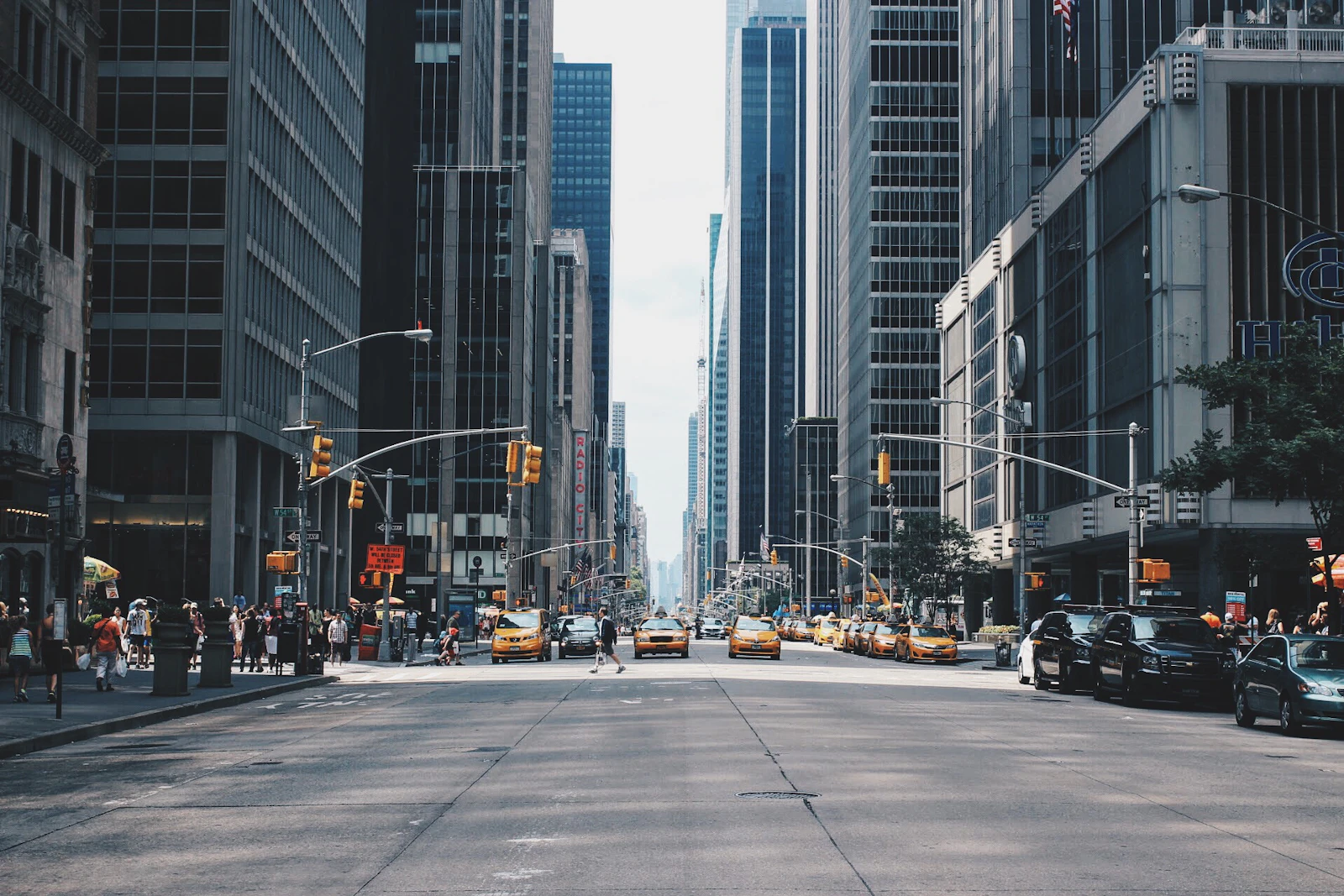
Transportation projects affect more than drive times. They influence school routines, work commutes, access to shopping and services, how families use parks and trails, and whether one part of Herriman feels better connected than another. They also shape how buyers think about future convenience, which means they can influence long-term appeal and resale. This page is here to give you a clear, practical framework for thinking through all of that without hype, guesswork, or vague “growth is coming” language.
- Why Herriman future transportation projects matter for daily life, not just city planning documents.
- How road expansions, connector improvements, transit adjustments, and trail projects can affect different parts of Herriman differently.
- What buyers, sellers, and relocators should watch for when a neighborhood is in the path of future access changes.
- How to verify transportation plans responsibly instead of treating future improvements like guarantees.
Why Future Herriman Transportation Projects Matter
Transportation planning matters because it changes how a city works once growth shows up in real life. In Herriman, that can mean better roadway flow, new or improved connectors, safer neighborhood access, better trail integration, or stronger regional movement patterns. It can also mean construction periods, timing uncertainty, temporary disruption, and uneven benefits depending on where a home sits. In other words, transportation projects can improve quality of life over time, but they are not automatically good for every property in exactly the same way.
That is why this subject belongs inside a serious conversation about Herriman real estate. When buyers think about long-term fit, they are not only asking whether the current drive works. They are asking whether the area is likely to become more efficient, more accessible, and more supportive of daily routine as Herriman grows. Sellers care too, because future infrastructure can change how a location is perceived. And relocators especially need this context, because transportation often looks simple from a map and much more complex after the move.
Future transportation projects are best understood as decision context. They can strengthen or weaken a location’s long-term appeal, but only when you read them alongside the home, the neighborhood, the roads you actually use, and how your household lives from week to week.
Why Transportation Planning Feels Bigger in Herriman Than in Some Other Markets
Herriman is a place where many households move for space, layout, neighborhood feel, and long-range livability. That often means buyers are making tradeoffs. They may be willing to accept more distance from work centers or more reliance on major roadways because the home itself solves bigger problems: more bedrooms, better yard space, stronger neighborhood fit, or a better platform for the next stage of family life. When that is the trade, transportation planning matters more because it directly affects whether the trade continues to feel smart over time.
That is also why future projects attract attention from homeowners already in the area. A city can feel very different once new roads, connector improvements, safer intersections, or more usable trail links come online. The same is true in the other direction: if transportation improvements lag behind growth, pressure can show up in commutes, school routes, and access to daily services. So the real question is not whether growth exists. It is whether transportation is keeping up with how people actually live in Herriman.
What Future Transportation Projects Usually Mean in Real Life
When most people hear “future transportation projects,” they picture a single road widening or a vague promise that traffic will get better. In practice, transportation projects can be much broader than that. They may include main corridor improvements, internal road connections, safety-focused changes, public transit access adjustments, trail system buildout, sidewalk completion, intersection redesign, and new connections that change how people move between neighborhoods or out toward the rest of the valley.
The practical meaning of those changes depends on what your household needs. A commuter may care most about cleaner access to major roads. A family may care more about safer school-area flow, better local circulation, or fewer bottlenecks during pickup hours. A buyer focused on lifestyle may care about whether trails and bike routes become easier to reach. A seller may care about whether their part of Herriman starts feeling more connected and therefore more attractive to future buyers.
| Project Type | What It Can Change | Why It Matters in Housing Decisions |
|---|---|---|
| Road Expansion / Widening | Can improve capacity, traffic flow, and predictability on busy routes. | May make commuting and errands feel more manageable, but can also change traffic intensity near some homes. |
| New Connectors / Access Roads | Can reduce bottlenecks and create alternative movement patterns through or out of Herriman. | Often changes which neighborhoods feel easier to live in and more resilient for future buyers. |
| Transit Access Improvements | Can increase flexibility for commuting and family mobility, even in a largely drive-oriented area. | May make some locations feel more connected or more workable for mixed transportation needs. |
| Trail / Sidewalk / Bike Projects | Can improve everyday usability for walking, recreation, and neighborhood connection. | Matters for buyers who care about active living, family mobility, and outdoor access. |
| Intersection / Safety Projects | Can reduce delay, improve visibility, and make local movement feel safer and more intuitive. | Often matters more in real life than buyers expect, especially near schools and family-heavy areas. |
That table is the practical frame. The goal is not to memorize project categories. The goal is to understand how different types of transportation changes affect different versions of daily life.
How Future Transportation Projects Can Change the Feel of Living in Herriman
Transportation improvements do not just change speed. They can change the emotional feel of daily life. A cleaner route out of the neighborhood can reduce friction more than a small time savings might suggest. A safer or better-designed local corridor can make a school drop-off pattern feel less chaotic. A new trail connection can change how often families actually get outside. And an improved regional route can make a house that once felt too far start to feel more reasonable.
That is part of why future Herriman transportation projects matter even for people who are not especially interested in planning documents. These projects can affect how connected, convenient, and stable a part of Herriman feels over time. And because Herriman often appeals to households making long-range decisions, that long-term feel matters.
Commute Pressure Can Shift
A road project that improves capacity or routing can make a part of Herriman feel more realistic for commuters who previously wrote it off.
Neighborhood Appeal Can Change
Improved access can make some neighborhoods feel more connected. Construction or traffic concentration can have the opposite effect in some cases.
Daily Routine Can Get Easier
Transportation projects can affect more than work travel. They can change errands, school flow, sports schedules, and general household movement.
Outdoor Mobility Can Improve Too
Sidewalk, trail, and bike-related improvements can make outside movement feel more natural for families and active households.
What Buyers Should Watch Closely When Evaluating Future Herriman Transportation Projects
Buyers should be careful not to treat transportation plans like promises that automatically add value. The better approach is to ask narrower, more useful questions. If a project is completed, would it improve the routes my household actually uses? Would it make the neighborhood feel more connected or simply busier? Would it help the part of Herriman I am considering, or mostly benefit a different corridor? Would I still like this home if the project takes longer than expected?
That last question matters a lot. The best buyer decisions usually assume current reality first and future improvements second. If you only like the house because of what might happen later, that is risky. If you already like the home and the neighborhood, and future transportation changes may make the location even better, that is a much healthier position.
- Ask whether the project affects your real routes, not just the city in general.
- Separate long-term upside from short-term construction inconvenience.
- Consider whether better transportation would expand resale appeal later.
- Make sure the home still works for you even if timelines shift.
How Sellers Should Think About Transportation Projects Near Their Home
Sellers should understand that future transportation projects can influence how buyers interpret location, but not always in simple ways. Some buyers will see improved access, better regional connection, or stronger local circulation as a clear plus. Others may focus on construction timing, the possibility of more traffic nearby, or uncertainty about how the area will feel while projects are underway. That is why sellers should avoid broad claims and instead understand the practical, property-specific effect.
In many cases, the strongest positioning is calm and concrete. If a project would realistically improve access to key destinations or make the neighborhood feel more connected over time, that can be a meaningful point. If the benefits are more mixed, it is better to frame the home around current strengths and let future transportation context act as supporting information rather than the main pitch.
| Seller Question | What Transportation Context Can Help Explain | What Still Needs Verification |
|---|---|---|
| Will future road improvements help my listing? | Possibly, if the project meaningfully improves access or connectivity for likely buyers. | Whether the benefit is direct, indirect, or mostly theoretical for your exact location. |
| Should I bring up future projects? | Yes, when they are relevant and grounded, but not as exaggerated promises. | The project status, likely timing, and the buyer’s actual priorities. |
| Could a project create concerns too? | Yes. Construction, traffic shifts, or uncertainty may matter to some buyers. | Whether those concerns are temporary, significant, or mostly perception-driven. |
Why Relocators Need a Different Lens on Future Herriman Transportation Projects
Relocators often look at transportation from too high a level at first. They may ask whether Herriman is accessible or whether a certain road exists, but they may not realize how much neighborhood placement, school patterns, family schedules, and future improvements influence daily life after the move. That is why transportation planning deserves its own chapter in any serious Herriman relocation guide.
If you are moving from outside the area, the key is to avoid reading projects as general good news and instead ask how they shape your version of life. Do you need stronger access to a regional job center? Do you care more about safe local movement for children? Do you want future infrastructure that could reduce how “far out” a location feels? Or are you more concerned with preserving a quieter neighborhood pattern even if access stays more limited? Transportation planning only becomes useful when tied to those real preferences.
If you are relocating to Herriman, the better question is not “Are transportation projects coming?” It is “Will the projects likely help the version of Herriman life we are actually trying to build?”
How Transportation Planning Connects to Trails, Recreation, and Bike Access
Transportation projects are not always only about cars. In a place like Herriman, future access planning can also affect trail systems, bike routes, sidewalk continuity, and how easily people move between neighborhoods and outdoor amenities. That matters because many households choose Herriman for lifestyle as much as for housing. A trail that becomes easier to reach or a neighborhood that links better to parks can change daily value in a real way.
That is especially important for buyers who want a community where active living is part of normal family routine rather than something reserved for weekends. In those cases, transportation planning overlaps with lifestyle planning more than people initially expect.
Questions Buyers and Sellers Should Ask Before Relying on Future Transportation Plans
Because future projects are by definition not fully here yet, verification matters. The safest way to use transportation planning is as context, not certainty. Buyers and sellers should both be asking a few practical questions. Has the project been approved or only discussed? Is funding already in place? Is the timeline short enough to matter for the decision I am making now? Does the project affect this exact part of Herriman or just the broader city? Could the change improve convenience while also increasing traffic near the home?
Those questions keep the conversation grounded. They also protect against a very common mistake in growing communities: assuming that every announced or proposed transportation improvement will arrive exactly on schedule and create only positives. That is rarely how growth works in the real world.
Ask what is approved versus what is only proposed
There is a big difference between a project that is actively moving forward and one that is still more of a planning conversation.
Look at how the project affects your real routes
A transportation improvement can be good for Herriman in general and still have minimal relevance to your day-to-day life.
Think about timing honestly
If you are buying now, a project that may meaningfully help in several years should not be treated like current convenience.
Weigh upside against disruption
Some improvements come with construction, detours, or short-term inconvenience that should still be part of the decision.
Keep the home itself central
Transportation context matters, but a home still needs to work for your budget, layout needs, and lifestyle even without a future-project bonus.
How Future Herriman Transportation Projects Fit Into the Bigger Community Story
Transportation projects do not happen in isolation. They are usually part of a larger growth story involving housing development, school expansion, retail patterns, utility planning, public safety, and how the city expects people to move through it in the future. That is why this page makes the most sense when read alongside the broader Herriman growth conversation rather than as a standalone traffic article.
For most readers, the useful takeaway is simple: infrastructure changes help tell you what kind of city Herriman is becoming. Not just where roads may go, but which corridors are growing in importance, which areas may feel more connected later, and where the city is trying to support the next phase of community life. That matters because it shapes both lifestyle expectations and real estate decisions.
For a fuller picture, this page works best alongside the broader Herriman future growth and development guide, the day-to-day access overview in Herriman transportation and accessibility, and the housing context in Herriman real estate and housing.