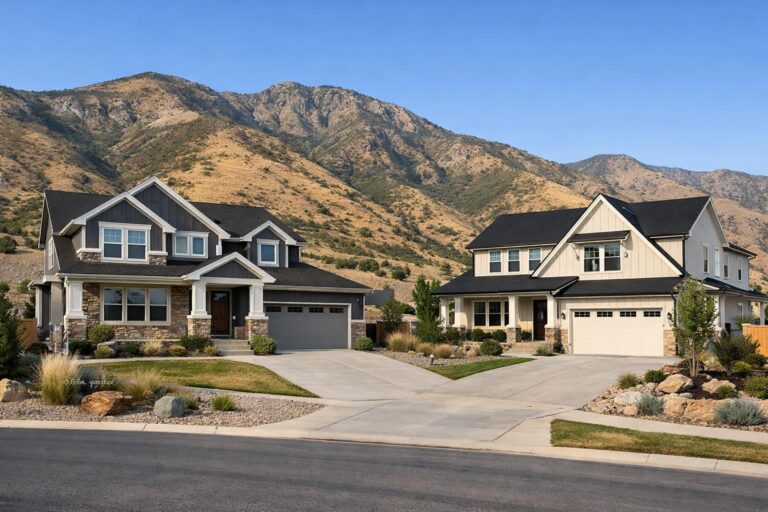

Is new construction or a resale the better Herriman buy? I would not answer from the list price. I would compare who represents whom, the delivered cost, contract deadlines, financing terms, inspection access, completion risk, landscaping, warranties, HOA obligations, and the condition you can verify today.
A builder model and a resale showing are different sales environments. One emphasizes possibility; the other shows a completed home with a history. My job is to help you put both into the same decision format so the finish package, incentive headline, or fresh paint does not hide the obligation.
Compare the Product You Will Actually Own
These four differences usually matter more than the new-versus-used label.
What the Builder Sales Center Represents
The person in the sales center may be helpful, responsive, and knowledgeable about the builder’s product. The important point is role: that sales operation represents the builder. I want buyers to understand the role before they discuss maximum budget, urgency, negotiation limits, or the terms they would accept.
Buyer representation is not about making every interaction adversarial. It is about having someone whose job is to examine the comparison from your side. Which lot works? What is included? What is an upgrade? How does the contract handle deposits, changes, delays, inspections, walkthroughs, lender requirements, and cancellation? Which resale should sit beside the builder option?
Ask early whether and how a buyer’s agent must be registered with the builder. Procedures can be specific and may require the agent to attend or register at the first visit. I do not assume one builder’s process applies to another, and I do not promise a representation or compensation arrangement without reviewing the current terms.
Also separate factual product information from advice. The sales center can explain its plans, specifications, selections, community features, and current written offer. Your lender, inspector, insurance professional, attorney when needed, and buyer-side agent answer different questions. One person should not be expected to cover every role.
Before signing, make a list of the decisions that become difficult or costly to change later. Lot, orientation, structural options, floor plan, garage, bedroom placement, electrical choices, windows, and major mechanical selections deserve more attention than finishes that can be replaced after closing.
The honest answer: friendly service and buyer representation are not the same thing. Know the role, keep important terms in writing, and bring the right professional to each question.
Base Price Versus the Real Delivered Cost
A base price is a starting configuration. It may not include the lot you want, structural changes, design selections, landscaping, fencing, window coverings, appliances, additional electrical work, storage, or other items shown in a model. The only useful comparison is the home described in your documents against the resale as it will transfer.
Start with the lot. A premium can reflect size, orientation, view, corner position, adjacency, or other factors. Ask what the amount pays for and whether any site condition creates separate landscaping, retaining, drainage, or maintenance questions. A beautiful view should not stop a grading conversation.
Then separate structural options from design finishes. A larger opening, extra window, extended garage, plumbing rough-in, or room change may need to be chosen early. Flooring, counters, hardware, and paint can be emotionally louder while being easier to change later. I want the money aligned with the parts of the home that affect daily use.
List what is absent. Does the delivered home include backyard landscaping, fencing, blinds, a refrigerator, water softener, garage storage, ceiling fans, or the light fixtures shown in a model? The answer varies. Put the written inclusion beside the resale’s current condition instead of allowing assumptions to fill the page.
Move-in timing has a cost too. A resale may need repairs or updates. A new home may require interim housing, rate-lock decisions, delayed furniture delivery, extra site visits, or work after closing. Those possibilities do not make either option wrong; they belong in the plan.
| Cost Area | New Construction Check | Resale Check |
|---|---|---|
| Purchase price | Base, lot, structural options, design selections, change orders, and documented fees | Offer price, negotiated terms, included personal property, and contract adjustments |
| Move-in completion | Landscaping, fencing, window coverings, appliances, storage, and unfinished owner work | Repairs, updates, cleaning, immediate replacements, and planned improvements |
| Financing | Rate, points, lender fees, credits, lock period, extension terms, and builder conditions | Rate, points, lender fees, seller-paid costs if agreed, appraisal, and closing schedule |
| Association | Current and projected dues, setup or transfer charges, amenities, maintenance, and phase status | Current dues, budget, reserves, insurance, minutes, assessments, and existing conditions |
| Condition evidence | Plans, specifications, site visits, inspections, walkthroughs, punch list, and warranty | Disclosures, records, inspection, current systems, roof, exterior, and neighborhood condition |
How I Evaluate Incentives and Preferred-Lender Tradeoffs
An incentive is not valuable because the sign uses a large number. Ask which conditions are required, whether it changes with the home or closing date, whether a preferred lender or title provider is required, and whether it can be used for price, closing costs, upgrades, or a rate-related expense.
Then compare complete loan estimates for the same scenario. Rate, points, lender fees, credits, mortgage insurance where applicable, lock period, extension terms, and cash to close all matter. A lower advertised rate can involve an upfront cost or a temporary structure. The lender should explain the product and the conditions in writing.
Do not compare a builder incentive with nothing. Compare it with the builder’s non-incentive terms if available, an outside lender’s terms, and the resale’s negotiated structure. The right question is what the buyer pays and receives over the period that matters to the buyer, not which headline is larger.
Timing can affect the offer. A quick-move-in home, a quarter-end target, or a specific closing window may carry a written promotion. Another home by the same builder may not. I verify the exact lot, plan, contract date, lender condition, and expiration instead of describing an incentive as universal.
Keep flexibility in mind. If using a preferred lender changes the ability to choose terms, extend a lock, or respond to a delay, understand that tradeoff. If choosing an incentive reduces funds available for an inspection, move-in completion, or emergency reserve, the buyer should see that effect before deciding.
Contract and Deadline Questions I Want Answered
Builder contracts can differ from the standard resale form a buyer expects. I do not assume the Utah Real Estate Purchase Contract controls a builder sale. Read the actual builder agreement and every addendum. If a legal term is unclear or important, ask a qualified attorney for advice.
Deposits are a first question. How much is due, when is it due, what portion may become nonrefundable, and what happens if the buyer cannot complete the purchase? Design deposits, lot deposits, and change-order payments may be treated differently. Put the answer in writing.
Completion language needs careful attention. How is an estimated date communicated? What conditions allow changes? What happens if the home is earlier or later than expected? How much notice will the buyer receive? Which costs caused by a delay remain the buyer’s responsibility? Do not replace contract language with a verbal timeline.
Financing and appraisal provisions may also differ. Understand lender deadlines, rate-lock decisions, approval requirements, appraisal consequences, and the buyer’s remedies. A lender familiar with new construction can explain its process, but the contract still controls the agreement with the builder.
Changes need a paper trail. Who can authorize them? When do selections become final? How are substitutions handled? What happens if a specified product is unavailable? Which model-home features are excluded? Plans, option sheets, specifications, and signed change orders should tell the same story.
For a resale, the familiar form still deserves attention. Due diligence, financing, appraisal, settlement, possession, inclusions, repairs, and any addenda have dates and consequences. The official Utah Real Estate Purchase Contract is a useful source to identify the current standard form, but transaction questions belong with the professionals handling the actual agreement.
Source basis: Herriman’s official growth overview confirms a substantial future housing pipeline, while Utah’s official purchase-contract source anchors the resale-form discussion. Neither source confirms a current builder release, incentive, contract term, or completion date; verify those for the exact home.
Inspection and Walkthrough Checkpoints
“New” is not a substitute for inspection. Construction involves many trades, materials, schedules, and handoffs. Ask what independent inspections the contract permits, when access is available, how findings are submitted, and which items the builder agrees to address. The inspector should determine the scope appropriate for the home.
Some buyers discuss staged inspections during construction, such as before drywall or near completion, when the contract and site rules allow them. Others purchase a completed quick-move-in home and use a more traditional pre-closing inspection. I do not promise access; I ask early enough that the answer can influence the decision.
The final walkthrough is not the first time to learn the plans. Bring the signed specifications, option list, change orders, and a room-by-room checklist. Test doors, windows, fixtures, outlets where appropriate, appliances included in the sale, water flow, heating or cooling operation, finishes, and visible exterior items within the permitted process.
Document incomplete or damaged items clearly. Ask how the punch-list process works, who receives the list, what will be completed before closing, what may remain after closing, and how follow-up is tracked. A verbal assurance is difficult to manage when several trades are involved.
Understand the warranty process. Which items are covered, for how long, through whom, and with what notice procedure? Are manufacturer warranties separate? What is considered homeowner maintenance? Save the documents and record requests promptly.
Resales need a strong inspection plan too. The difference is that the buyer can often see the completed neighborhood and request maintenance history, permits where relevant, utility information, and seller disclosures. A resale’s age gives you evidence; it does not remove the need to investigate.
Confirm access in the contract
Ask when buyer, agent, inspector, lender, and other professionals may enter the site.
Match the home to the documents
Use plans, specifications, options, and change orders to verify what should be delivered.
Use independent expertise
Let qualified inspectors and specialists evaluate property-specific condition within the allowed scope.
Track incomplete items
Record location, issue, responsible contact, promised action, and expected completion in writing.
Plan the warranty follow-up
Keep warranty documents, maintenance duties, deadlines, contact methods, and submitted requests together.
What a Resale Can Show That a Model Cannot
A resale lets you see the street in its current form. Landscaping has grown, parking patterns exist, neighboring lots are visible, drainage clues may appear, and the route is testable. That evidence can reduce some unknowns, even when the home itself needs updates.
Ask for maintenance history and available records. Roof, furnace, air conditioning, water heater, appliances, irrigation, exterior work, and prior projects can shape the near-term budget. Verify permits when they matter and let the inspector evaluate condition.
A resale may include items a new home requires the buyer to finish: fencing, blinds, mature landscaping, storage, appliances, patio work, or basement completion. It may also include older finishes or systems the buyer plans to replace. Put both sides on the delivered-cost sheet.
Neighborhood maturity can clarify a routine, but it does not guarantee the area will never change. Check nearby parcels, road projects, and planning information. In Herriman, substantial approved growth means even an established-looking route may connect to changing areas.
New construction can offer a layout or structural choice that no suitable resale currently provides. It can also offer a more current finish package or warranty framework. The point is not to make the resale win. It is to make both candidates answer the same questions.
If the buyer is tempted by the model, tour a realistic home at the buyer’s budget and included-option level. If the buyer is tempted by an updated resale, inspect the work and records rather than assuming appearance proves quality. Attraction can start the shortlist; evidence should finish it.
New-home strength
Potential structural choices, current finishes, documented warranty, and an unused system history.
New-home unknown
Completion timing, delivered inclusions, surrounding phases, grading, final condition, and post-closing work.
Resale strength
Visible street, mature site, known route, installed improvements, and records that may show actual maintenance.
Resale unknown
Hidden condition, aging systems, past work, deferred maintenance, and which updates are cosmetic rather than functional.
Compare a New-Home Warranty With a Resale’s Records
A builder warranty and a resale’s maintenance history answer different questions. For new construction, obtain the written warranty, exclusions, owner maintenance duties, claim method, response process, and every deadline. Ask which manufacturer warranties apply to equipment and appliances and who registers them.
Save the final plans, specifications, selections, signed changes, inspection reports, walkthrough list, closing documents, manuals, and every submitted warranty request. If an issue appears, describe the location, date, condition, and prior communication. A verbal assurance is much harder to follow than a documented request.
For a resale, request available service records, invoices, permits when relevant, warranties, and seller disclosures. Match those records to the inspection and the visible home. A replacement date helps, but installation quality, maintenance, current condition, and remaining warranty terms still need review.
Do not give either evidence set more certainty than it provides. A warranty does not mean every condition is covered or that the home requires no maintenance. Missing resale records do not prove a system is defective, but they may leave more uncertainty for inspection and reserve planning.
Put warranty deadlines and known maintenance on a calendar before closing. Include filter changes, drainage and irrigation work, seasonal service, association duties, and the inspector’s property-specific recommendations. The comparison should show what support exists and what responsibility remains with the owner.
Keep the documents accessible after closing so a small issue does not become a search for missing instructions.
The Herriman Comparison Sheet I Would Build
Use two columns and one rule: if a line matters to the decision, both homes must answer it. Start with address, property type, completed square footage, lot, garage, bedroom layout, outdoor space, HOA structure, and the route you repeat.
Add the delivered cost. For new construction, include lot, structural and design selections, fees, landscaping, fencing, window coverings, appliances, financing, and move-in work. For the resale, include offer assumptions, visible repairs, immediate updates, included items, financing, and the maintenance reserve conversation.
Add contract and timing. Record deposit treatment, due-diligence or inspection access, financing dates, appraisal handling, expected completion or possession, rate-lock concerns, and what happens if the schedule changes. Ask the proper professional about legal or lending questions.
Add condition evidence. List the inspections, records, walkthroughs, specifications, disclosures, permits, warranties, and unresolved items available for each. A blank cell is not neutral; it is a question to answer or an uncertainty to accept.
Add routine proof. Drive both routes. Park. Walk to the door. Find storage. Look at the yard or common areas. Visit at another time. Check nearby land use through official sources. Decide which unknowns matter and which do not.
Then write the reason each home could be right in one sentence. If the new home wins only because it is new, the analysis is unfinished. If the resale wins only because it appears cheaper, the analysis is unfinished. The winning sentence should mention the specific obligation, layout, timing, or routine that fits you.
My Herriman real estate and housing guide and Herriman community guide can help with the larger local context. The useful work begins when you send me the two real candidates and their documents.
Frequently Asked Questions
Is a builder’s base price the final cost?
Not necessarily. Verify the lot, structural options, design selections, fees, landscaping, fencing, window coverings, appliances, financing, association charges, and other work required for the delivered home.
Are builder incentives always a good deal?
No universal answer applies. Compare the written benefit, required lender or provider, rate, points, fees, credits, lock terms, cash to close, and alternatives for the exact home.
Can I use an independent inspector?
Ask what the contract and site rules permit, when access is available, and how findings are handled. Use a qualified inspector and do not assume one builder’s process applies to another.
How is a quick-move-in home different from a to-be-built home?
A quick-move-in home is farther along or completed, so choices may be limited and timing may be shorter. A to-be-built home can involve more selections and more schedule uncertainty. Verify the exact status and contract.
Does new construction remove maintenance risk?
No. New homes still need inspection, owner maintenance, warranty follow-up, and attention to grading, drainage, exterior work, systems, and finishes. A warranty has scope and procedures, not a promise that nothing will need attention.
What should I send Jena for a comparison?
Send the builder’s price sheet, lot and plan, options, written incentive, contract or reservation material, lender estimate, and the resale listing and documents you are considering, plus your top priorities.
Put the Two Herriman Homes on the Same Page
Send me the Herriman new construction and resale options, documents, or priorities you are comparing. I will help you build a practical side-by-side before you commit.