
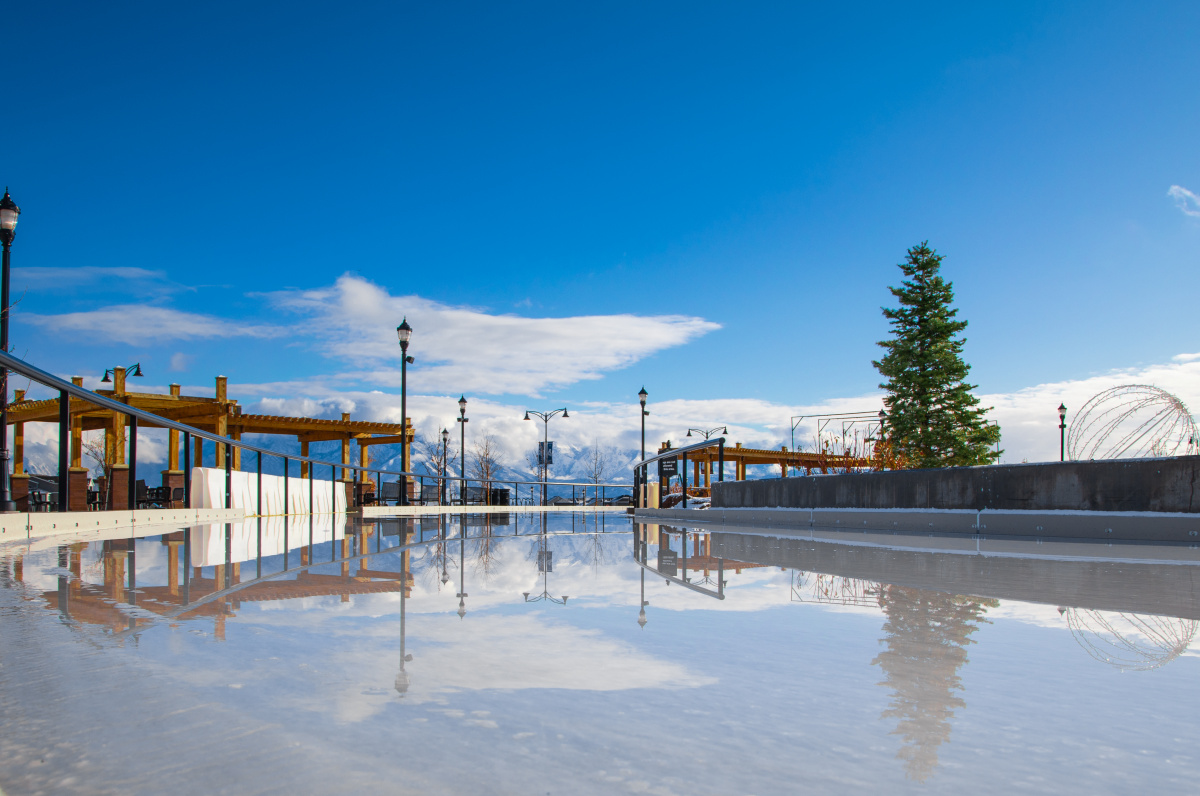
J. Lynn Crane Park and Ice Ribbon
A practical guide for buyers, sellers, and relocating families who want to understand how Herriman’s Ice Ribbon and civic center amenities shape daily life, neighborhood appeal, and long-term real estate decisions.
In a rapidly expanding city like Herriman, ice ribbons, winter recreation spaces, and centralized public parks are not just novelty amenities. They are essential indicators. They help prospective buyers and relocating families judge whether the community feels active, usable, and supported by intentional municipal planning—not just endless housing developments.
This comprehensive guide breaks down exactly how Crane Park fits into Herriman’s broader lifestyle story. We will explore how it affects neighborhood perception, the specific types of buyers who value it most, and the critical questions you need to ask before assuming one highly visible amenity makes a location the perfect fit for your family.
This page is built for buyers, sellers, relocators, and homeowners who want practical, decision-ready context on Crane Park. You will understand:
- What the Ice Ribbon suggests about Herriman’s transition from a bedroom community to a hometown.
- How visible public amenities actively affect neighborhood appeal and long-term resale value.
- How the Herriman lifestyle compares directly to nearby cities like South Jordan and Daybreak.
Why Crane Park Matters in Herriman Real Estate
When buyers type “J. Lynn Crane Park” or “Herriman Ice Ribbon” into a search engine, they are rarely just looking for ticket prices or skate rental hours. More often than not, they are trying to answer a deeply psychological real estate question: Does this city actually feel like a place where my family can build a life?
For years, Herriman was primarily known for rapid residential expansion. But a public amenity as complex and intentional as an ice ribbon shifts that narrative. It creates a centralized gathering space that anchors the city. In the summer, the park acts as a splash pad and farmers market hub. In the winter, the winding paths freeze into a highly popular ice ribbon, ensuring the city’s civic center remains vibrant year-round.
This shift in perception is incredibly valuable in real estate. It makes Herriman feel more active in winter, more family-oriented in public life, and more intentional in how it uses community space. Even for households that may not skate often, the sheer presence of an amenity like this strengthens the impression that the city is investing heavily in long-term livability.
It is easy to dismiss an ice ribbon as something that only matters a few months out of the year. But seasonal amenities carry influence far beyond the days they are actively used. They shape community identity and signal that local leadership pays attention to the full, 365-day resident experience.
Who Tends to Care Most About the Ice Ribbon
Not every buyer values the park in the exact same way, and understanding these nuances is critical for both buyers evaluating the area and sellers pricing their homes. Some households care directly because they want winter recreation close to home. Others respond more to the broader, subconscious signal it sends about community design.
Families with Children
They care because having a designated, safe winter activity close to home makes family routines feel easier, cheaper, and more varied.
Out-of-State Relocators
They care because the ribbon helps them look past the map data and picture Herriman as a real, breathing place with year-round community life.
Move-up Buyers
They may see highly visible, well-maintained public amenities as a non-negotiable part of the “better next-stage neighborhood” package they are paying for.
Sellers & Homeowners
They should understand that the park shapes how buyers feel about the neighborhood overall, even if the buyers don’t explicitly mention it.
If you are a seller in a neighborhood immediately adjacent to the civic center, the ice ribbon is part of your property’s extended floor plan. It is a massive, multi-million dollar entertainment space that you don’t have to maintain. Framing it that way helps justify premium pricing to out-of-town buyers.
What Buyers Should Verify First
However, even the strongest public amenity should be used carefully in a housing decision. It is remarkably common for buyers to fall in love with the idea of a park, only to purchase a home that sits 20 minutes away across a highly congested traffic corridor. Before giving the ice ribbon too much weight in your final purchase decision, take the time to verify these core steps:
Real Travel Distance & Friction
Confirm how close the amenity actually is in real travel terms. Being “in Herriman” does not mean you are walking distance to Crane Park. Account for winter driving conditions, school drop-off traffic, and parking availability during peak event hours.
Season Timing & Conditions
Understand the current ice season timing and weather sensitivity. Utah winters can be unpredictable. Verify the city’s actual operating conditions before assuming the ribbon will be perfectly frozen and open all winter long.
Realistic Household Usage
Be honest with yourself: will your household realistically use the ribbon enough for it to matter on a weekly basis? If you only plan to skate once a year for a photo op, the park should not be the deciding factor in your home purchase.
Larger Housing Priorities
Ensure the amenity fits comfortably alongside your larger, non-negotiable priorities. A great park cannot fix a bad commute, an overcrowded school boundary, or a floor plan that doesn’t fit your family’s daily rhythm.
What the Ice Ribbon Says About Living Here
Relocators often begin their home search heavily focused on spreadsheets: school ratings, commute minutes, square footage, and property taxes. But as the move date approaches and the reality of leaving their old life sets in, the questions become more human. What are we going to do on a Tuesday night in January? Will my kids be bored? Is there anywhere to just walk around and feel like part of a community?
| What the Park Suggests | Why it Matters to Buyers |
|---|---|
| Year-round Livability | Shows that the city actively supports community life beyond the traditional warm-weather amenities. |
| Family Usability | Makes the area feel easier to enjoy with children, creating a routine that isn’t reliant entirely on screen time. |
| Neighborhood Completeness | Helps the center of Herriman feel fully developed around public life, rather than just acting as a residential thoroughfare. |
J. Lynn Crane Park helps answer those human questions. It provides a visual anchor. When an out-of-state buyer sees the ice ribbon, the splash pad, and the surrounding plaza, they can suddenly picture themselves living there. That emotional clarity dramatically reduces the anxiety of relocating.
City Comparisons & Community Context
One of the most interesting things about the ice ribbon is that it exists in a city still strongly associated with raw growth. Newer-growth areas can sometimes feel highly practical but entirely unmemorable. You drive through miles of beautiful new homes, but you never find the “center.”
Seasonal amenities help change that dynamic. They give residents something specific and tangible to associate with the city beyond new rooftops or expanding traffic patterns. When buyers compare Herriman with neighboring powerhouses like South Jordan and Daybreak, this distinction matters.
Daybreak is famous for Oquirrh Lake and its deeply integrated, master-planned village structure. South Jordan appeals to buyers who want a more established, sprawling suburban rhythm with expansive trails. Herriman, by contrast, is actively building its public personality right now. The civic center and Crane Park give Herriman a distinct “downtown” gathering space that feels incredibly fresh, modern, and intentionally designed for the families moving there today.