

Herriman Electricity & Natural Gas Providers
If you are researching Herriman electricity & natural gas providers before buying, selling, or moving, the practical answer is this: utility setup matters because it shapes your monthly ownership reality, how a home feels season to season, and whether a property fits the way you actually want to live. Buyers usually want to know who handles power and gas, what that means for budgeting, how utility service fits newer construction versus older homes, and whether a home’s energy setup matches its size, layout, and maintenance expectations. Sellers benefit from understanding this too, because utility clarity helps buyers feel more confident about the home after the showing ends.
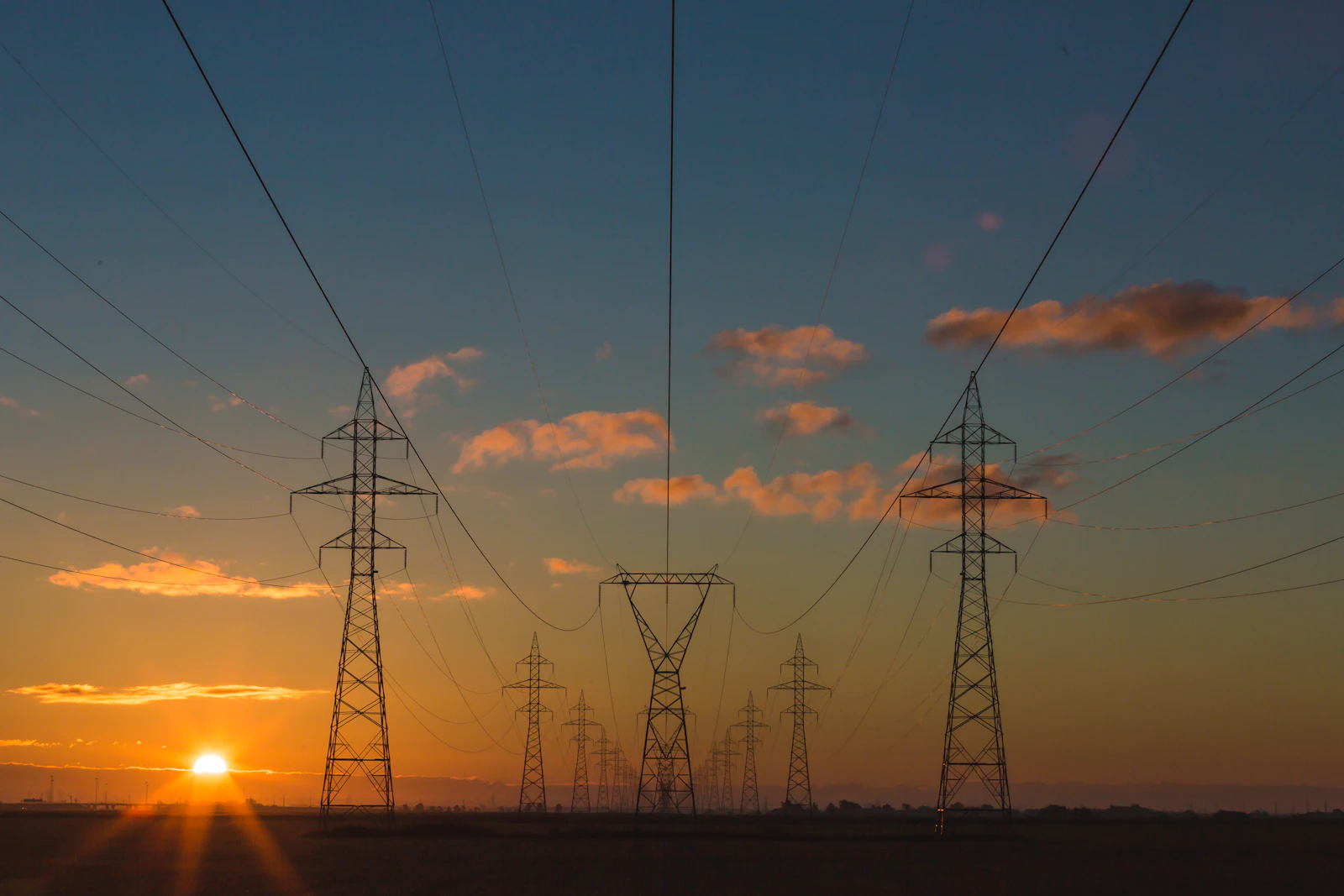
That is because utilities are part of the real cost and comfort of owning a home. Electricity and natural gas influence heating and cooling patterns, kitchen setup, appliance expectations, seasonal bills, and whether a property feels efficient or more demanding than it first looked during a showing. For people comparing Herriman homes for sale, this matters because two homes that feel similar on paper can behave very differently once utility usage becomes part of everyday life.
For buyers, sellers, relocators, and homeowners, this guide is meant to make the topic easier to understand in plain English. The goal is not to turn you into an energy expert. It is to help you ask better questions, compare homes more realistically, and understand how utilities fit into the bigger picture of living in Herriman. This is also one of those quieter topics that can affect whether a move still feels smart six months after closing, when monthly bills and daily routines are no longer theoretical.
- Why electricity and natural gas matter in practical homeownership terms, not just as monthly line items.
- How utility setup can affect comfort, seasonal costs, home maintenance, and buyer confidence.
- What buyers, sellers, and relocators should verify before assuming every Herriman property works the same way.
- How this topic fits into the larger picture of Herriman public services, livability, and long-term decision-making.
Why Herriman Electricity & Natural Gas Providers Matter More Than People Expect
Electricity and natural gas matter because they affect both your budget and your lived experience of the home. They influence how expensive it feels to heat and cool the property, how certain appliances operate, how practical the home is during seasonal extremes, and how much confidence you feel about the property’s long-term upkeep. This is especially relevant in a place like Herriman, where home size, lot configuration, and newer-construction patterns can make one property feel far more efficient or manageable than another.
In Herriman real estate, that matters because many buyers are choosing not only a house but a version of daily life. A larger home may feel exciting until you think through heating and cooling costs. A newer home may feel more appealing if its layout and systems seem more efficient. A townhome may create a different utility profile than a single-family property on a larger lot. These are not usually the flashiest parts of a home search, but they become very real once you start living with the home month after month.
The best reason to understand utility providers is not to obsess over one bill. It is to make sure the home’s energy setup, size, age, and systems all fit the way you actually want to live after the keys are in your hand.
Why Utilities Belong in the Real Estate Conversation
Many buyers focus first on layout, finishes, views, and price. That makes sense. But a home’s utility reality often determines whether those appealing features still feel worth it over time. Bigger spaces can mean more comfort and more cost. Certain heating or appliance setups may feel more familiar to one buyer and less appealing to another. A home with stronger energy features may feel like a smarter long-term fit, even if it was not the flashiest option during the first round of showings.
That is why utility questions belong in the same conversation as square footage, location, lot size, and neighborhood feel. They are part of the real ownership picture. The more clearly a buyer understands that picture, the less likely they are to feel surprised after closing.
What Herriman Power & Gas Utilities Usually Mean in Real Life
In practical terms, Herriman power gas utilities usually means understanding who provides the service, how the home depends on electricity versus natural gas, what that may mean for seasonal bills, and whether the property’s size and systems feel aligned with your budget and comfort expectations. That may sound straightforward, but it becomes more important when you compare different property types, newer builds, larger homes, townhomes, or homes with upgraded energy-related features.
This topic also helps buyers think about what kind of ownership routine they want. Some people are comfortable with a larger home and the energy profile that comes with it. Others want something simpler and more predictable. Neither is automatically better. The useful question is whether the home’s energy reality matches the life you actually want after the move.
| Utility Lens | What It Usually Means | Why It Matters for Housing Decisions |
|---|---|---|
| Electricity Service | Power for lighting, cooling, electronics, appliances, and daily household operation. | Shapes everyday livability, appliance use, and part of the home’s overall monthly cost picture. |
| Natural Gas Service | Often tied to heating, water heating, cooking, or other core home functions depending on the property. | Can affect how a home feels in winter, how systems operate, and how predictable some seasonal costs feel. |
| Home Size & Energy Use | Larger homes often create a different usage pattern than smaller homes or townhomes. | Important when comparing homes that seem similar in price but differ in long-term operating comfort. |
| System Efficiency | How updated, well-designed, or energy-conscious a home’s setup appears to be. | Can influence whether the home feels like a better fit after the first few months of real bills. |
| Decision Clarity | Understanding the basics well enough to compare homes realistically. | Reduces surprises and helps buyers judge whether a property truly fits their lifestyle. |
This is usually the most useful way to interpret utility-provider questions in Herriman. It is less about memorizing provider names and more about understanding how the home will actually function once you live there.
How Utility Setup Connects to Living in Herriman
One of the reasons this topic matters is that utilities shape comfort in very ordinary ways. They affect how quickly the house warms up in winter, how manageable cooling feels in summer, whether the kitchen setup works the way you want it to, and whether the home feels efficient or more demanding than you expected. These are the small realities that often determine whether a home continues feeling like a smart choice after the excitement of closing fades.
That is why this belongs in the conversation about living in Herriman. Herriman attracts buyers looking for everything from affordable townhomes to larger luxury homes. Those properties do not all behave the same way from an energy perspective. The more clearly you understand the role of utilities, the more practically you can compare what daily life in one home will feel like versus another.
It Affects Monthly Ownership Reality
Utilities are one of the clearest ways a home’s day-to-day cost becomes real after move-in.
It Shapes Seasonal Comfort
Heating and cooling experience matter more than buyers often expect, especially in larger homes or unfamiliar layouts.
It Helps Compare Property Types
Townhomes, newer builds, and larger single-family homes may carry different energy expectations even when they appeal to the same buyer.
It Supports Long-Term Fit
A home that feels attractive at first but mismatched to your utility comfort zone may feel very different after a few billing cycles.
What Buyers Should Take From Herriman Electricity & Natural Gas Providers
If you are buying, the biggest takeaway is that utility setup should be part of your real-world comparison process. That does not mean you need exact future bills before making an offer. It means you should think seriously about how the home is heated and powered, whether the size and layout feel manageable, and whether the property’s systems seem aligned with your comfort expectations. This matters even more if you are comparing a townhome, a newer build, and a larger single-family home all at once.
It can also help to view this topic alongside the broader Herriman Public Services & Safety page, because utilities are part of the larger question of whether the city feels practical and easy to live in. Buyers are not only choosing a house. They are choosing how manageable life in that house will feel week after week.
- What kind of heating and power setup does this specific property have?
- Does the size and layout of the home match the kind of monthly utility reality I am comfortable with?
- Am I comparing only the purchase price, or also the likely day-to-day cost of living in this home?
- What should I verify about the property’s systems before I feel fully confident?
How Sellers Should Think About Power and Gas Questions
Sellers often focus on the visual parts of a home because those are what buyers react to first. But once a buyer gets serious, practical questions usually follow. If a home has upgraded energy features, solar-related benefits, a water softener, modern systems, or other utility-related advantages, those details can help the home feel more thought-through and more ownership-ready. If the home is larger, older, or otherwise likely to raise questions about energy use, clarity becomes even more valuable.
That does not mean sellers need to oversell utilities. It means that when buyers start asking practical ownership questions, good answers help. In many cases, buyers are not looking for perfection. They are looking for a home that feels understandable and manageable.
| Seller Question | What This Context Can Help Explain | What Still Needs Verification |
|---|---|---|
| Will buyers care about utility setup? | Yes, especially if the home is larger, newer, upgraded, or likely to raise questions about monthly operating comfort. | The exact systems, documented upgrades, and what is appropriate to describe clearly and accurately. |
| Should I mention utility-related features? | Yes, when they help buyers understand the home’s real-world value and function. | The difference between being helpful and making claims that go beyond what is documented. |
| Can this affect buyer confidence? | Absolutely. Homes that feel practical and well-explained often feel easier to say yes to. | Price, condition, location, and layout still matter more directly, but utility clarity can support the overall decision. |
What Relocators Should Pay Attention To
Relocators often need this topic more than locals because utility expectations can feel different from one region to another. If you are moving from outside the area, you may not yet know how home size, heating setup, and energy use patterns in Herriman compare to what you are used to. That is why this topic fits naturally alongside a Herriman Relocation Guide.
The main point is not to make utilities seem intimidating. It is to understand that energy setup is part of what makes one home feel easy and another feel heavier to carry over time. If you are moving from a very different kind of market or property type, it helps to treat power and gas service as part of your practical relocation checklist, not as an afterthought.
If you are moving to Herriman, the better question is not just “who provides the utilities?” It is “does this home’s energy reality match the kind of monthly comfort, maintenance, and long-term practicality I actually want?”
Why Home Type Changes the Utility Conversation
Not every Herriman home carries the same utility story. A luxury home without HOA fees may raise one kind of energy question. A townhome in the upper $300s may create a very different ownership profile. A resale home with paid-off solar panels, a water softener, and upgraded systems may feel different again. That is why utility questions are best handled in the context of the actual property type, not only the city in general.
Buyers comparing across categories should be especially careful not to assume that similar prices mean similar ownership experience. Layout, age, build style, insulation, upgrades, and system choices can all influence what living there actually feels like.
How Upgrades and Energy Features Can Change the Ownership Experience
Utility providers are only part of the equation. The home’s actual features also matter. Paid-off solar panels, updated systems, improved insulation, efficient appliances, water softeners, or better overall build quality can change how ownership feels after move-in. Those details may not always dominate the listing headline, but they can make a meaningful difference in how manageable the home feels in daily life.
That is why buyers should pay attention not only to who provides electricity and natural gas, but also to how the house uses those services. Sellers, meanwhile, should be ready to explain these features clearly when they are relevant and documented.
What to Verify Before You Rely Too Much on First Impressions
No guide can replace direct verification. One property may feel efficient and easy to manage. Another may look similar but create a different monthly experience because of size, layout, upgrades, or age. That is why the best use of this topic is to help you ask better questions before closing rather than assuming all Herriman homes work the same way.
It helps to verify the property’s system setup, whether there are any notable energy-related features, how the home has been maintained, and whether the energy reality fits your budget and comfort level. These are often the questions that matter most once the excitement of the house tour is over.
Check the Property, Not Just the City
Utilities can feel very different from one Herriman home to another depending on size, systems, and upgrades.
Think Beyond Purchase Price
The better comparison often includes what the home is likely to feel like after the first few months of real bills.
Match the Home to Your Comfort Zone
The best utility setup is not the same for everyone. It is the one that fits your life, budget, and expectations.
Use Upgrades as Context
Energy-related improvements can matter, but they are most useful when you understand how they affect actual ownership experience.
How This Fits Into the Bigger Herriman Picture
Electricity and natural gas providers make the most sense when you view them as part of the broader livability and ownership conversation in Herriman. Utilities are not the flashiest part of a home search, but they are one of the topics that can quietly shape whether a property still feels like the right move once ordinary life begins.
For a fuller picture, this topic works especially well alongside Herriman Real Estate & Housing. It also fits naturally into broader conversations about relocation, public services, and how to compare homes in a way that feels realistic rather than purely emotional.